3-Day Itinerary
DAY 1 — Historic City Transport
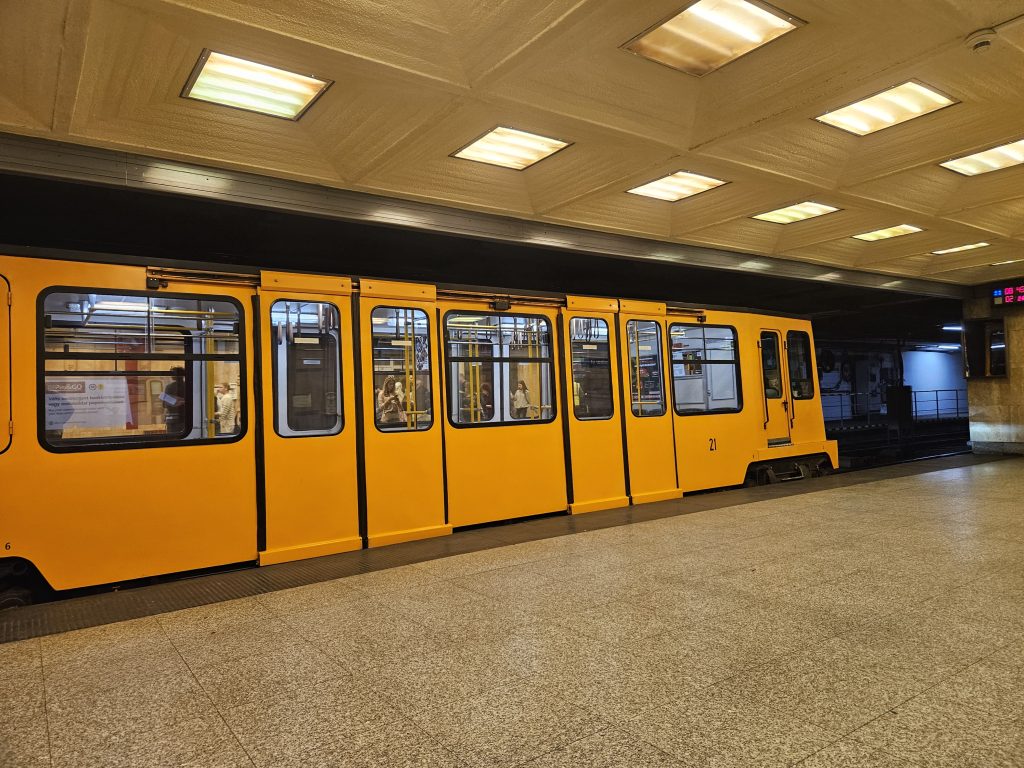
9:00 AM M1 Metro ride Continental Europe’s oldest metro line (1896) — ride it end to end. A complete journey each way takes just 12 mins, so yes you can do the whole line in half an hour. Take special note of the station tiling.
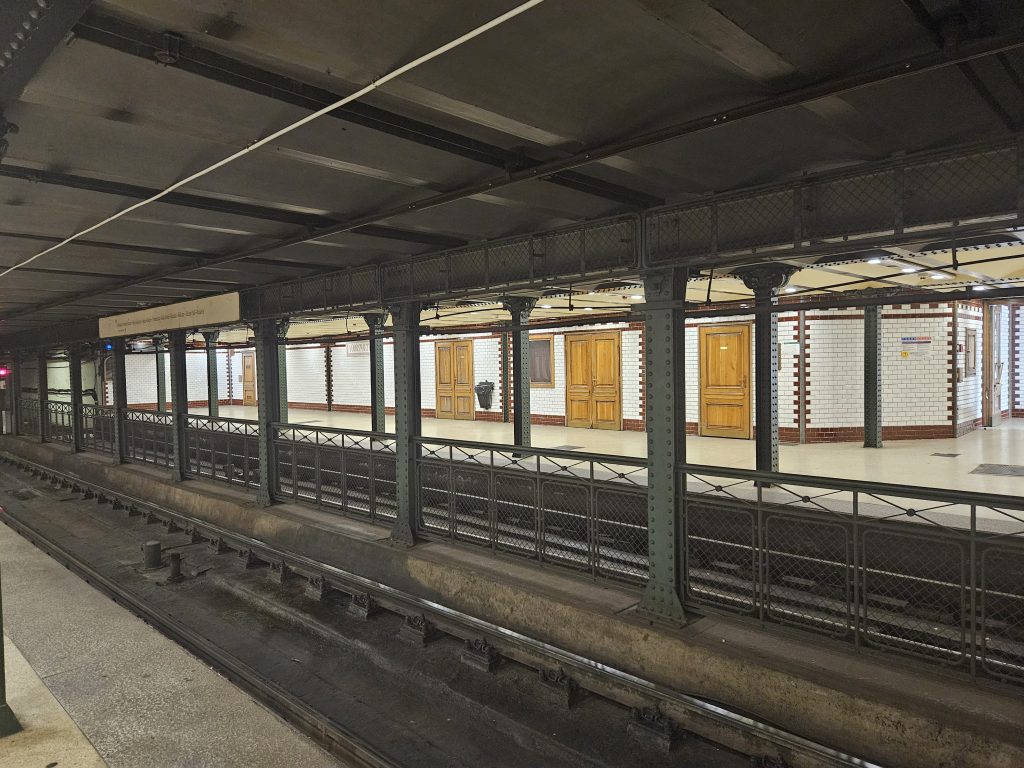
9:30 AM Underground Railway Museum Deák Ferenc tér, original M1 tunnel section with vintage carriages. Three of the four metro lines intersect at this section. Look out on the BKK facebook page as there is occasional access to the former control room at the end of M2 line platform.
10:30 AM Chain Bridge Walk Budapest’s first permanent Danube crossing (1849) Designed by an Englishman and built by a Scotsman, both with the surname Clark. Marlow bridge in the Berkshire was built to test the design.
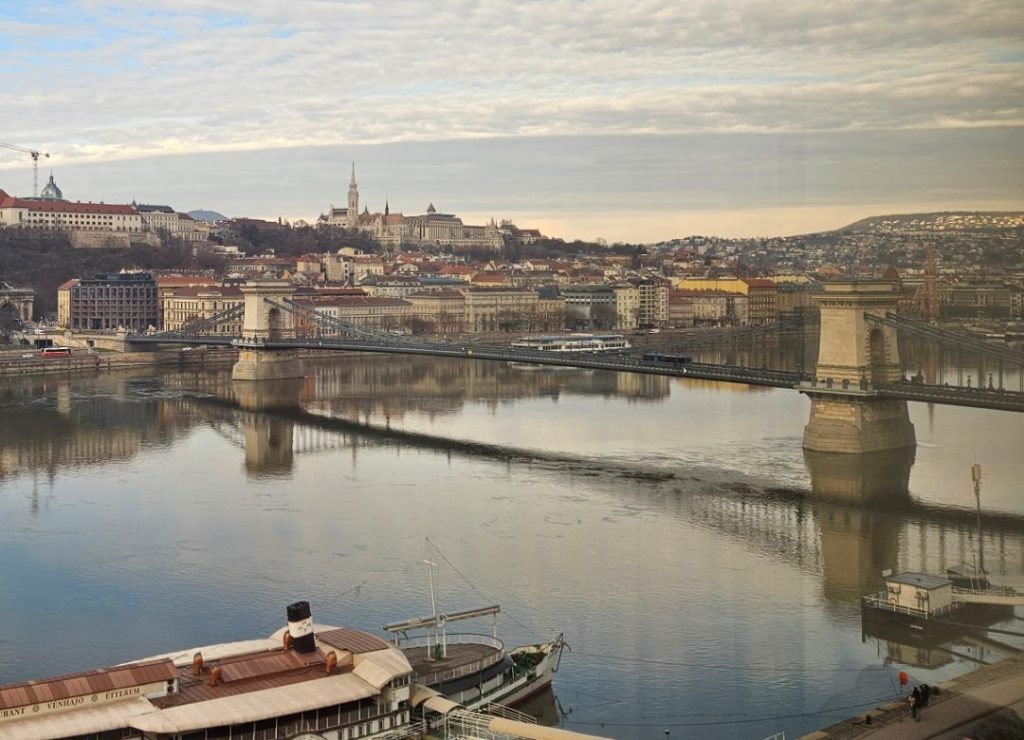
11:30 AM Castle Hill Funicular Short, steep 1870 funicular up to Buda Castle
1:00 PM Lunch in Castle District Break amid the historic streets. Walk towards the Becsi Kapu, Vienna Gate to find the best places.
3:00 PM Tram 2 scenic ride Danube-side route, often called one of the world’s most beautiful tram lines
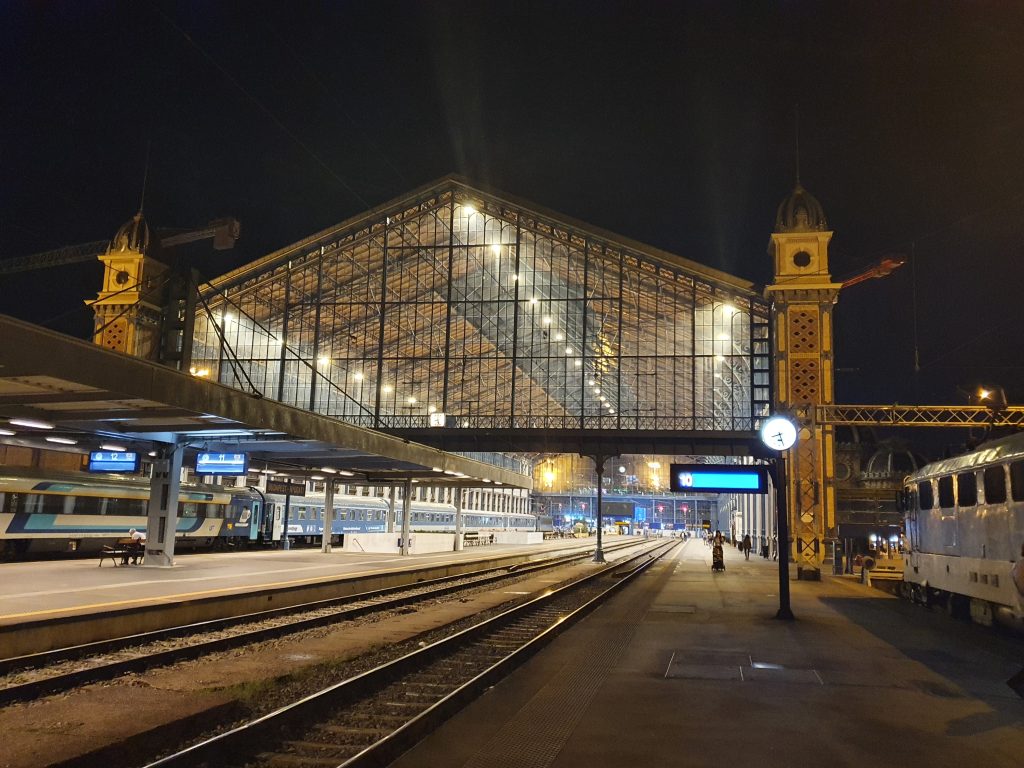
6:00 PM Nyugati Railway Station Iron-and-glass station hall built by the Eiffel company in 1877. To the right of the main building outside you will find one of the most beautiful McDonald’s locations.
DAY 2 — Buda Hills & Railway History
9:00 AM Cogwheel Railway 1874 rack railway climbing from Városmajor into the Buda Hills. This is a must ride. The children’s railway is straight ahead, but turn left to the Széchenyi Monument (Széchenyi-emlékmű) for great views of the city.
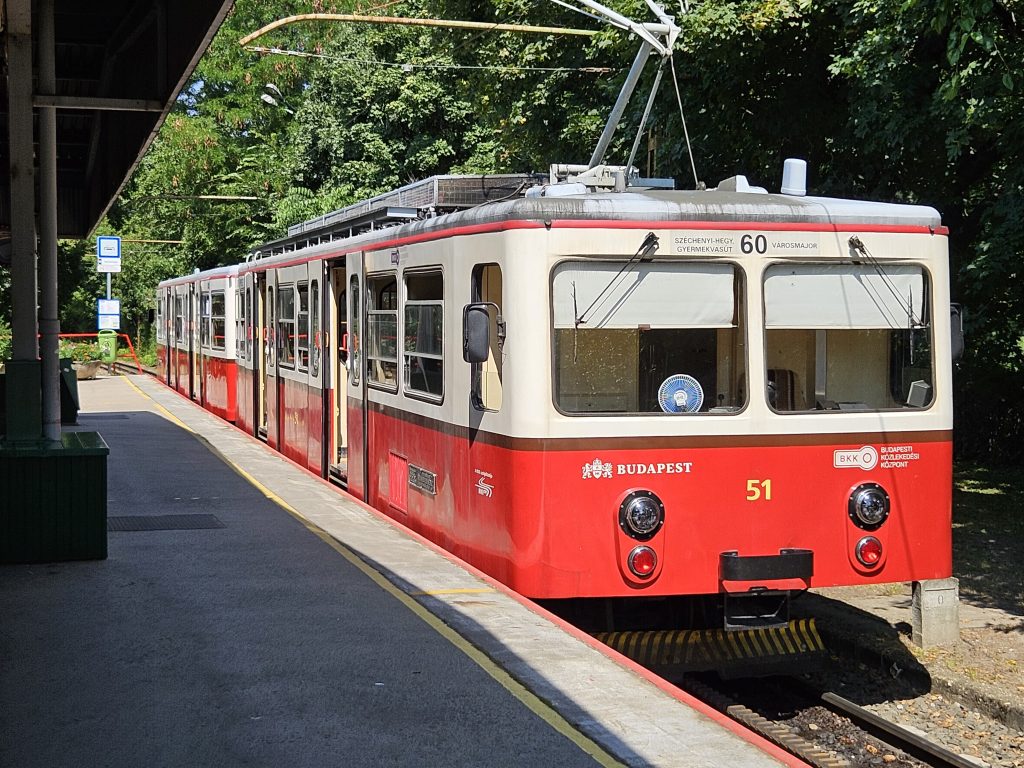
10:00 AM Children’s Railway Narrow-gauge forest railway run largely by children, since 1948. The journey is half an hour, the train stop at János-hegy.
11:30 AM Libegő Chairlift Open-air chairlift down from János-hegy, Budapest’s highest point.
1:00 PM Lunch back in the city. Relax before the afternoon.
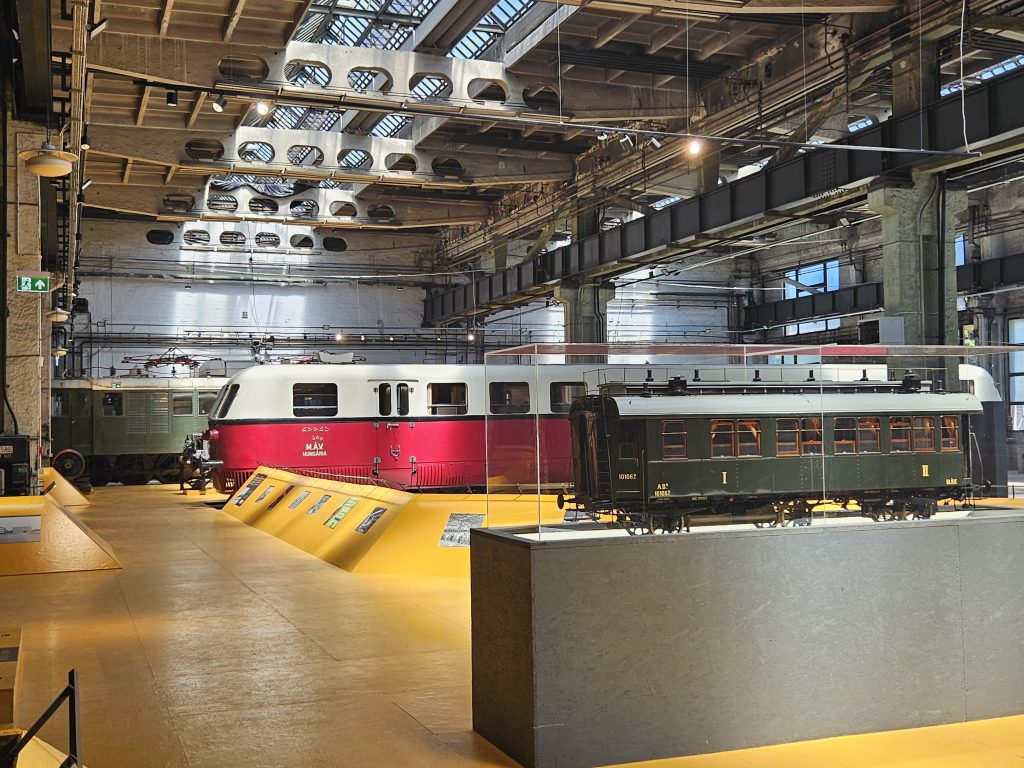
3:00 PM Hungarian Railway Museum (Vasutt Tortenti Park)70,000 sqm former locomotive depot — over 100 real locomotives and carriages, several you can climb into. Describes itself as Europe’s largest open-air railway entertainment park. Its about 40 mins from the city centre, take any of the Metro lines from Deak Ter and connect with the 30 / 30A bus at an appropriate stop (use the Budapest Go App).
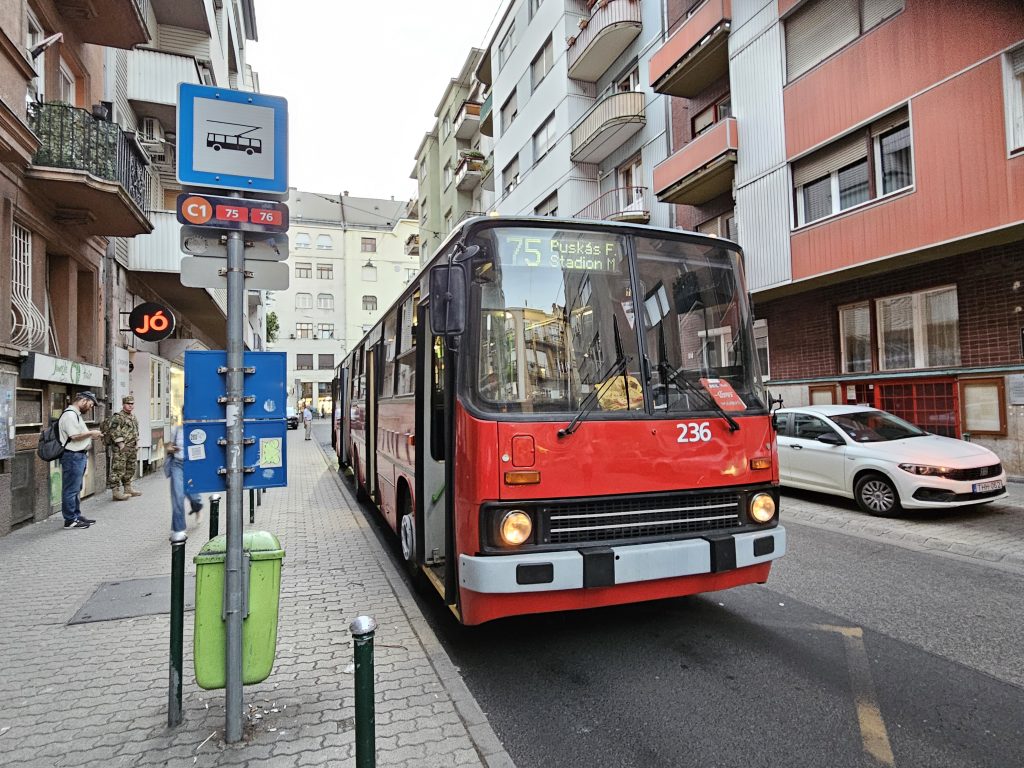
5:30 PM Trolleybus ride Take a spin on one of Budapest’s electric trolleybus routes.
OPTIONAL ADD-ON Hungarian Museum of Science, Technology and Transport (Közlekedési Múzeum) Address: Kőbányai út 24-28, 1101 Budapest. This is an evolving museum so displays vary with permanent and temporary exhibits.
DAY 3 — Danube & the Everyday Network
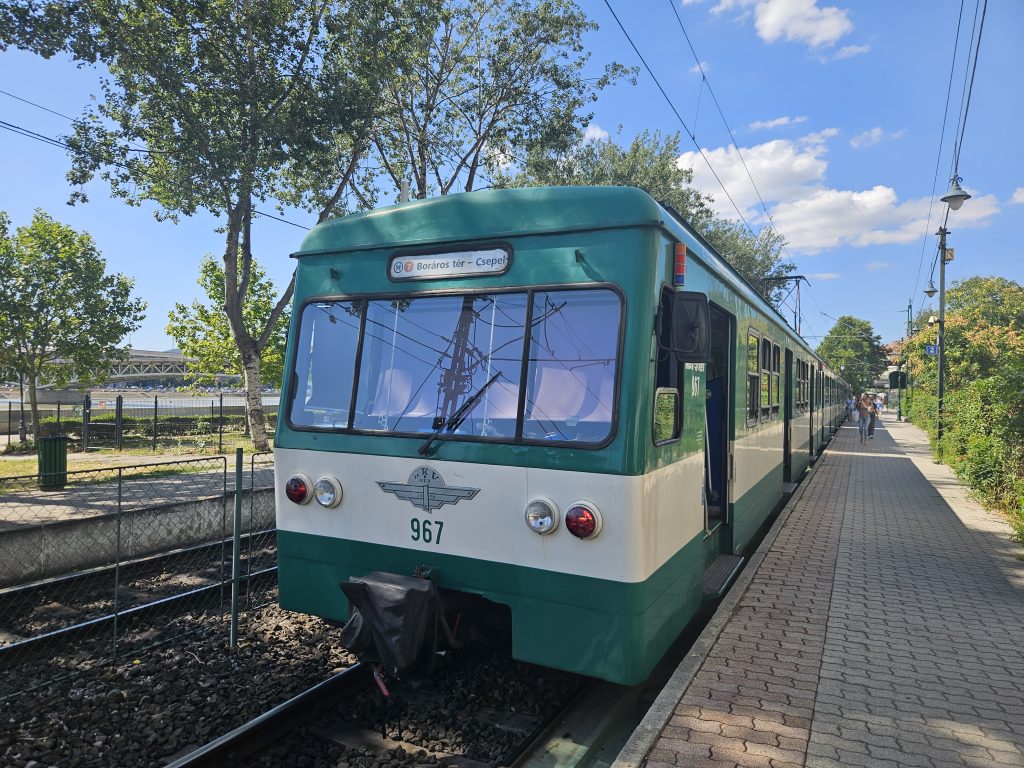
9:30 AM HÉV suburban train to Szentendre Ride Budapest’s suburban rail network out along the Danube bend. As this is outside of Budapest, if you have a travel card, purchase the additional ticket at one of the purple machines before you get on the train, and remember to buy one for the journey home.
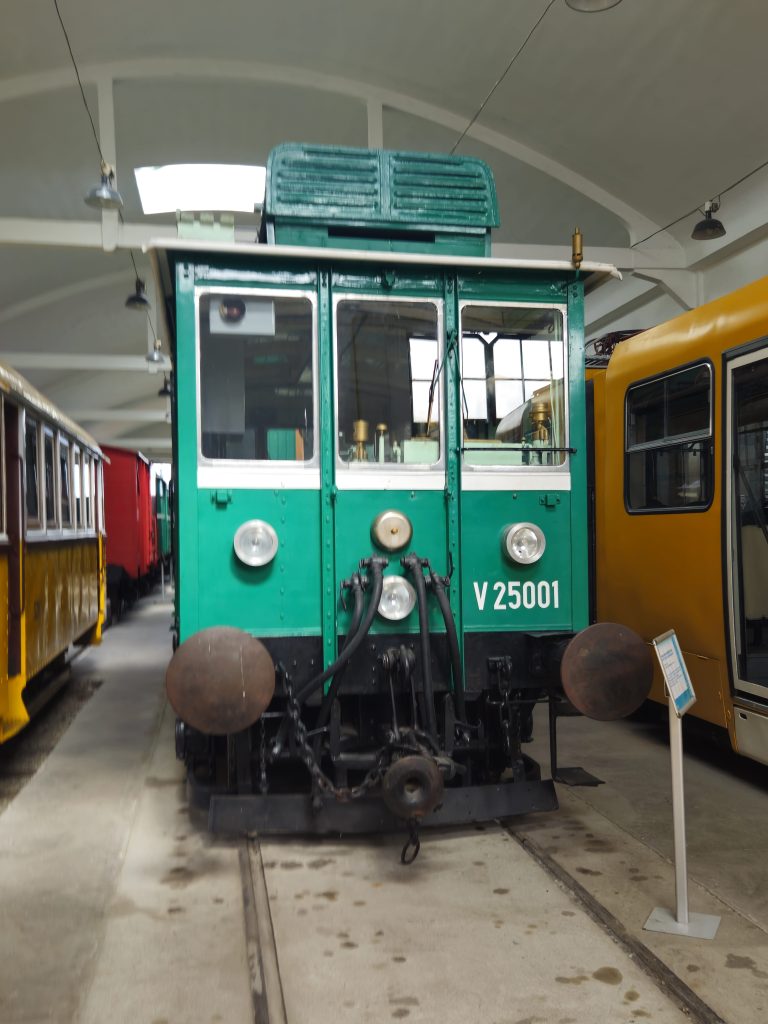
10:15 AM Urban Public Transport Museum, Szentendre Housed in a 1914 depot right at the HÉV terminus — historic trams, trolleybuses and suburban rail cars.
12:00 PM Lunch in Szentendre old town Wander the artists’ quarter before heading back
2:00 PM Danube boat trip back Riverboat back to Budapest instead of the train, for a change of mode (seasonal — typically runs May–Sept, weekends only in April/Oct; take the HÉV back if not running)
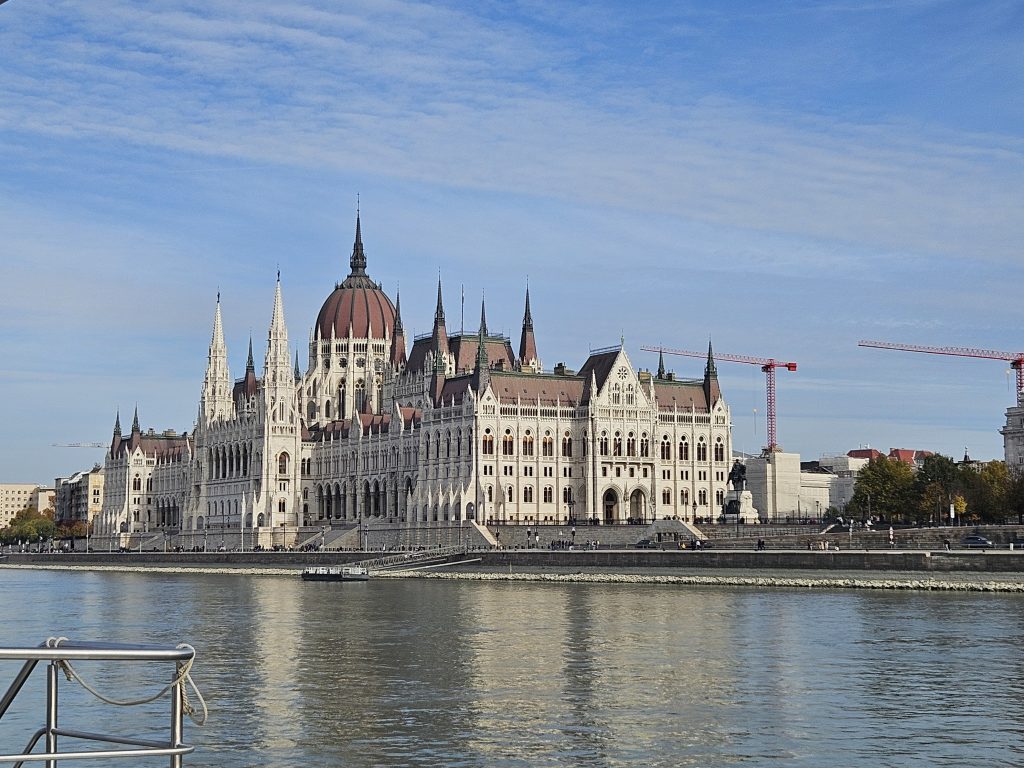
4:00 PM Tram 4/6 loop Ride Europe’s busiest tram line around the Grand Boulevard.
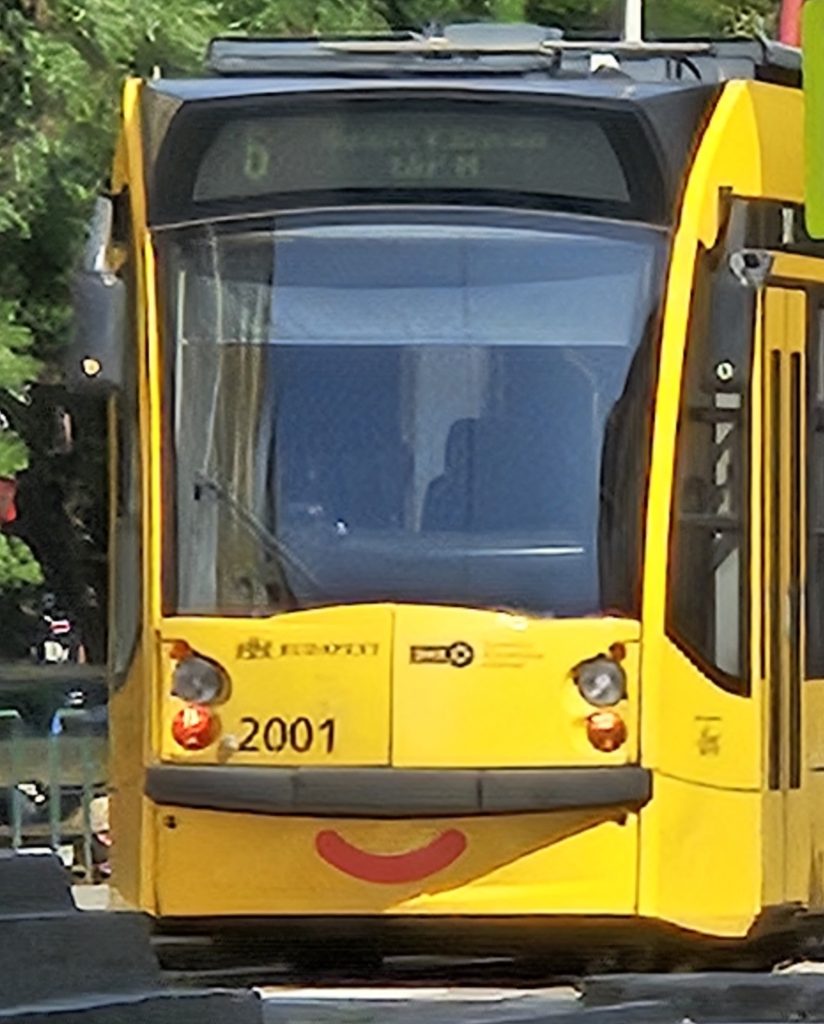
5:30 PM Keleti Railway Station Grand 1884 station facade and train shed, still a working hub.
7:00 PM Farewell dinner Wind down after three transport-packed days
PRACTICAL NOTES
A Budapest Card or 24/72-hour travel pass covers nearly every ride on this list except the HÉV extension to Szentendre, which needs a separate ticket.
Day 2’s cogwheel railway, Children’s Railway and chairlift connect directly, so the morning flows as one continuous route.
Day 3’s boat/train combo depends on season — confirm the riverboat schedule before relying on it for the return leg.
Tram Sheds
All the tram sheds (kocsiszín) give good access to view the trams and many now have Open Days.
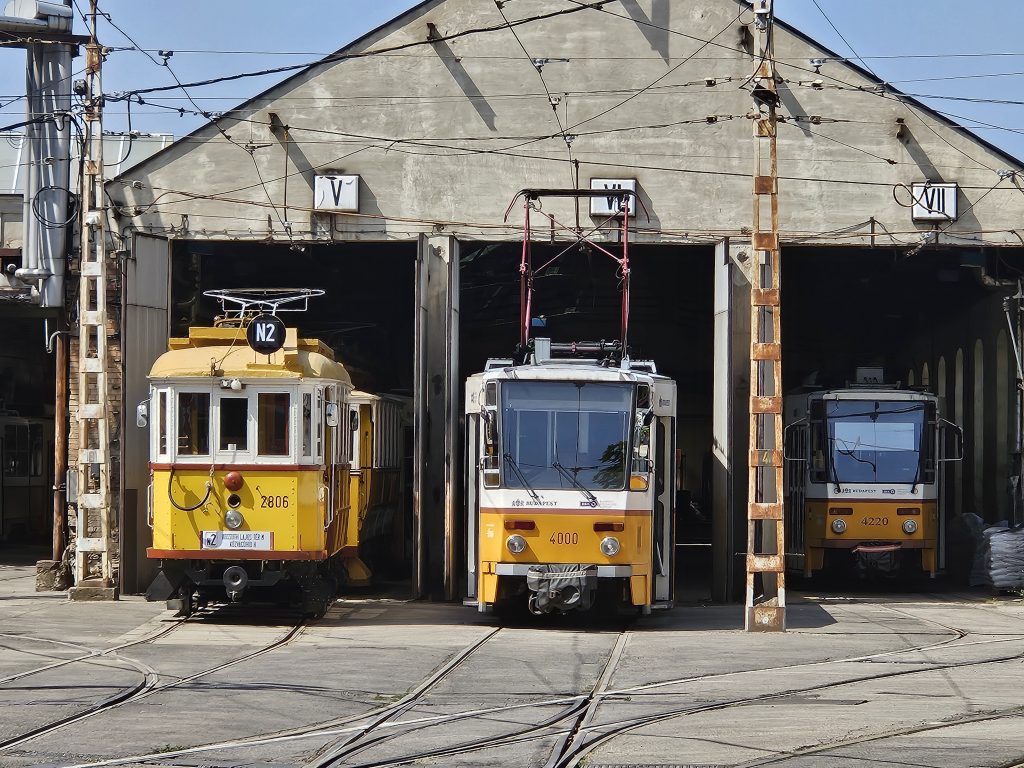
Nostalgia Rides
At the weekends in the summer months, a number of “Nostalgia” routes run. The easiest way to find details of these are on the Budapest Go app or the BKK website. These services are designated with an N in front of the route number. So an N2 will be a “Nostalgia” service running of the No. 2 tram route.
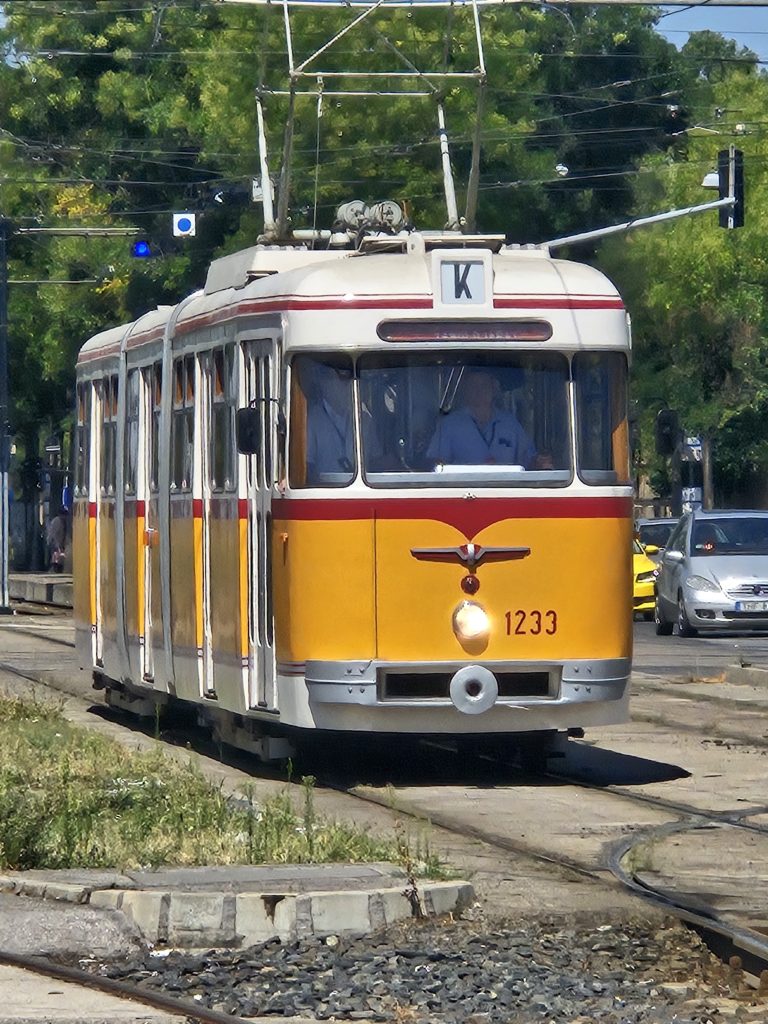
Metro Lines
It is worthwhile experiencing all four metro routes.
1896 – M1 (Yellow Line) opens as the Millennium Underground Railway. It was built for Hungary’s millennium celebrations and is the oldest underground railway in continental Europe.
1970 – M2 (Red Line) opens, connecting eastern and western parts of the city. Construction had begun earlier but was delayed by World War II and later political changes. This was the first line under the Danube.
1976 – M3 (Blue Line) first section opens. The line was extended in stages during the late 1970s and 1980s to become Budapest’s main north-south metro route. This line underwent a major reconstruction between 2017 and 2023. This was a major project all 20 stations were refurbished, all the trains were rebuilt, stations were made accessible and track relaid.
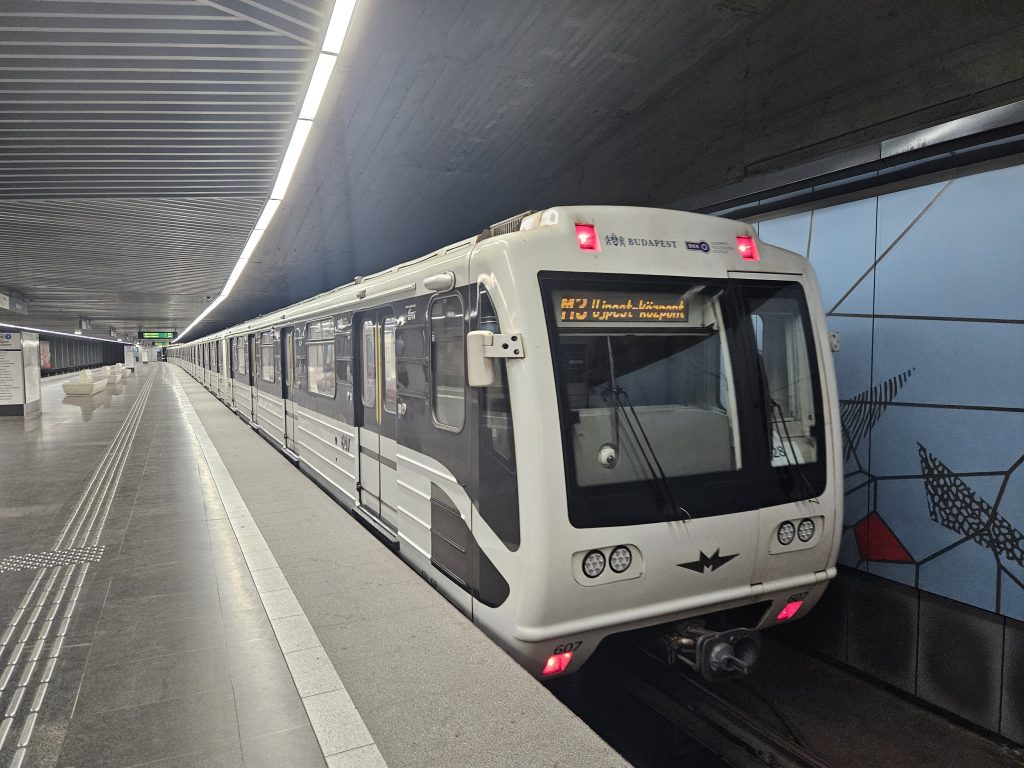
2014 – M4 (Green Line) opens after decades of planning and construction. It is Budapest’s newest metro line and operates with modern, driverless trains. The second line to pass under the Danube.