Cheira a Lisboa

“Cheira bem, já tem sol, Cheira a lua, cheira a Lisboa” which translates as “Smells good, it’s sunny, smells like the moon, smells like Lisbon”. The song by Belgium born Wendy Nazaré and French singer Pep’s, is about the delights of Lisbon as well as referring to historical events such as the Great Earthquake of 1755 that almost completely destroyed the city and the surrounding area. The accompanying video was filmed on location in Lisbon with the most famous historical sites as its backdrop. 

Wendy Nazaré and Pep’s – Lisboa

Despite a history of earthquakes, Lisbon has always been an important city through the ages. The Romans, the Berbers, the Moors and then Reconquista knights have all taken a interest in Lisbon due to its position of the River Targus. The Torre de Belém is the most iconic building in the region, dominating the entrance to Lisboa harbour on the north bank of the river. Originally built in the 16th century and subsequently improved over the years, it would have been the last part of the country that sailors who sailed west to discover and visit the new world across the Atlantic Ocean would have seen.
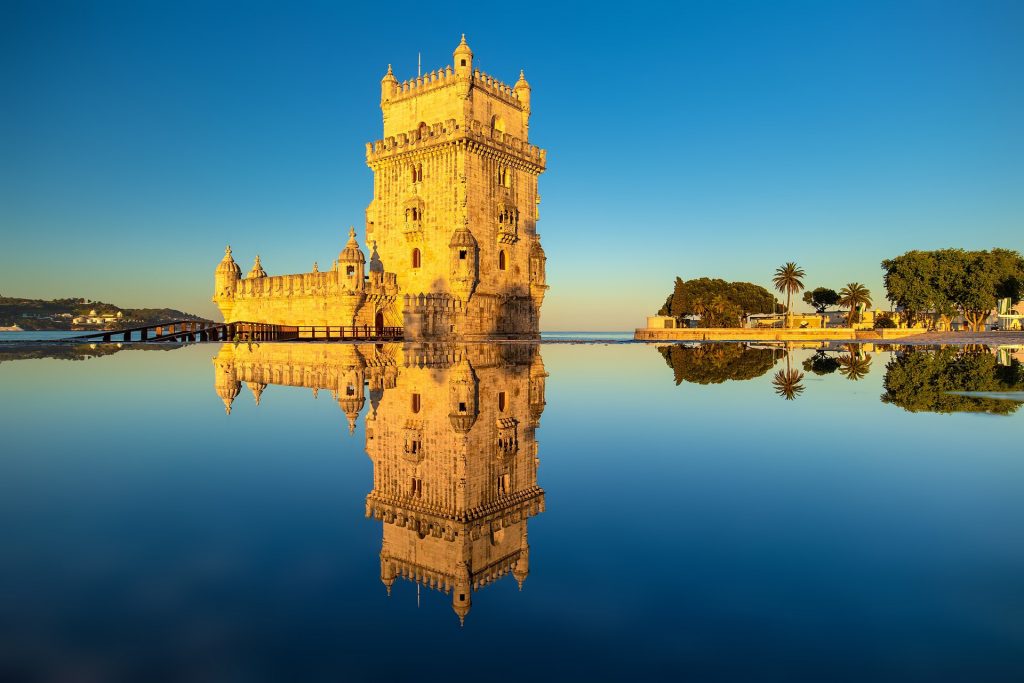
Torre de Belém - Julius Silver
Torre de Belém

An absolute must when visiting Lisbon is a ride on the trams. There are two types of tram, the historic “Remodelado” trams or the modern Siemens “Articulado” trams. In fact the best way to get to the Torre de Belém is by the modern No 15 tram. However you must travel on the historic No 28 tram that will work its way up the steep, cobbled roads and into the old Alfama district. The Alfama district is one of the top destinations for tourists in Lisbon. It is the oldest part of the city dating back to the time of the Moors. It survived the 1755 earthquake as its built on dense bedrock. Up here you will step back in time. Wander through its narrow streets, tiny squares, visit it’s churches and wonder about the history that has taken place inside those whitewashed houses. In the evening you will find many great restaurants to eat in or out and you will are bound to hear Fado music, dates back to the 1820s.
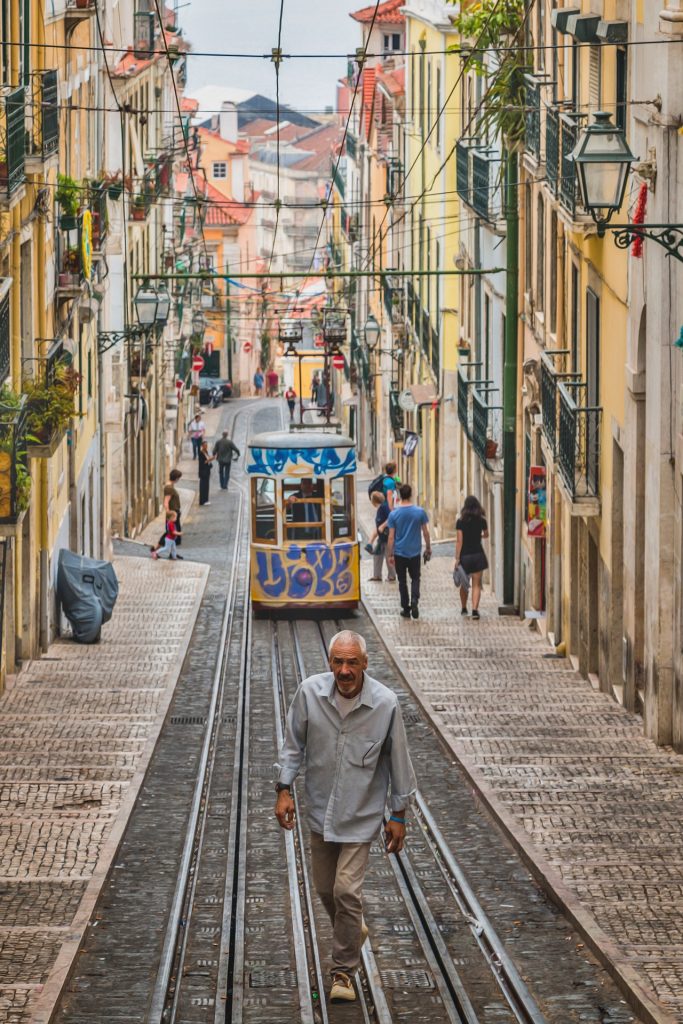
Tram - Lisbon - Walkerssk
Tram – Lisbon

There are many more places to visit in Lisbon and now it’s off the UK quarantine list, it makes a great destination for a short break or the starting point for a tour of the country. Don’t miss out on visiting the solid looking and imposing Santa Maria Maior de Lisboa, known locally as simply the Sé. Finally you must not miss out on the Pasteis de Nata, deliciously soft, sweet, custard tarts, that are a cult in Lisbon.
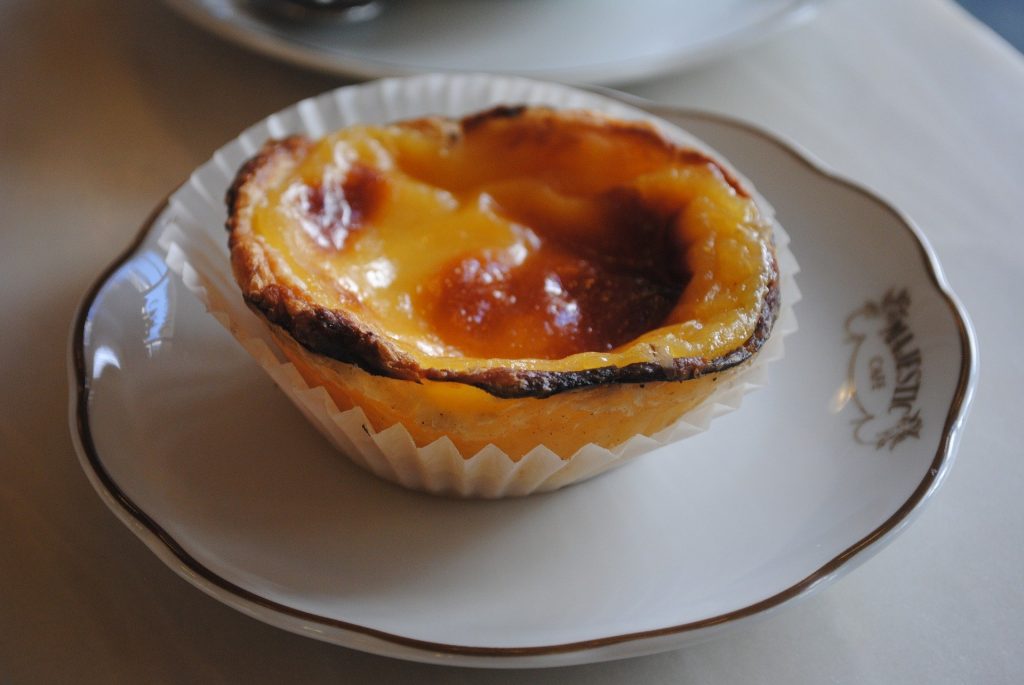
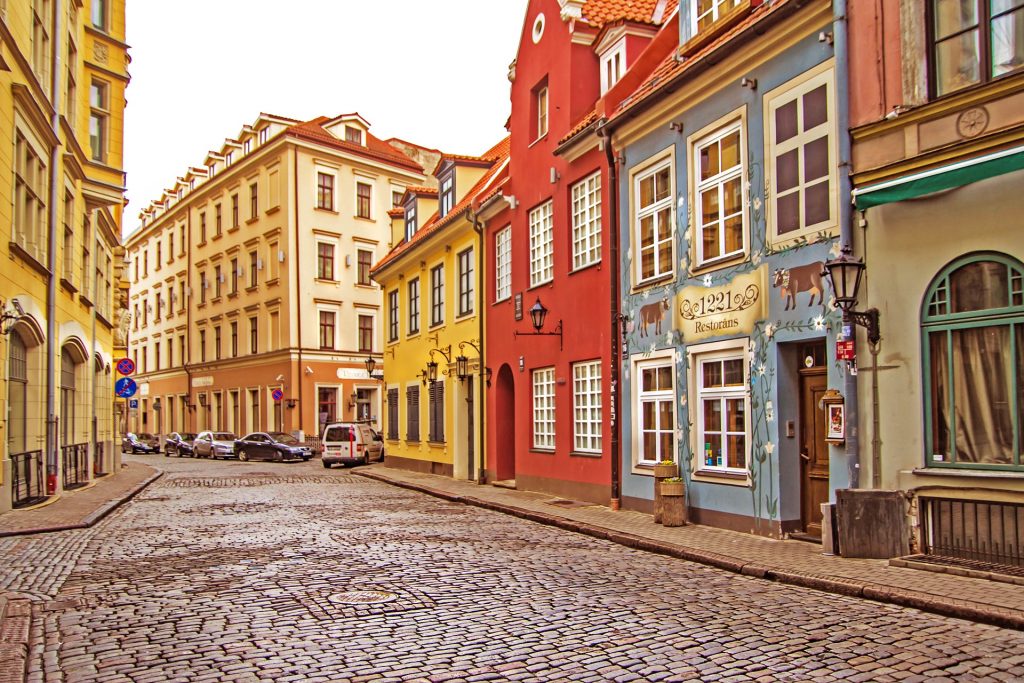
 Pasteis de Nata - Portuguese Custard Tart -CarolinaP
Pasteis de Nata – Portuguese Custard Tart

Rīga, mana Rīga, tevi mīlu es

“Riga, my Riga, I love you”, is a popular Latvian song written based upon the poetry of Aleksandrs Čaks, a famous Latvian poet. Čaks was born in Riga and much of his poetry was written about the wonderful city of Riga and its people. There is a street named after him. Arturs Maskats composed the music to accompany the lyrics in 1982. Maskats is an outstanding composer and has composed many pieces including several performed by the Latvian National Opera company.

Riga, my Riga, I love you / Rīga, mana Rīga, tevi mīlu

Riga stands at the centre of the Baltic States, Estonia to the north and Lithuanian to the south. Both are easily reached from Riga. Hire a car and get to Tallin the capital of Estonia in 4 hours and Kaunas the capital of Lithuania is 3 hours, 30 minutes away. Currently UK citizens can freely travel to and return from the Baltic States.

Riga, Latvia, Germans Alenins
Riga, Latvia

Besides being the largest of the Baltic capitala it is a very beautiful city full of gothic and medieval architecture. Unlike other European capitals that are heaving with tourists in the summer months, Riga is full of Latvians. Not being on the top ten list of most city break fans even pre-Covid it was a good option and now its even better.

For travellers on a budget staying and eating out in Riga represents great value for money. Prices are in line with destinations in Poland, Hungary and Romania. Restaurant prices are about half of those in most UK cities.

Riga, Latvia, AG-Pics
Riga, Latvia

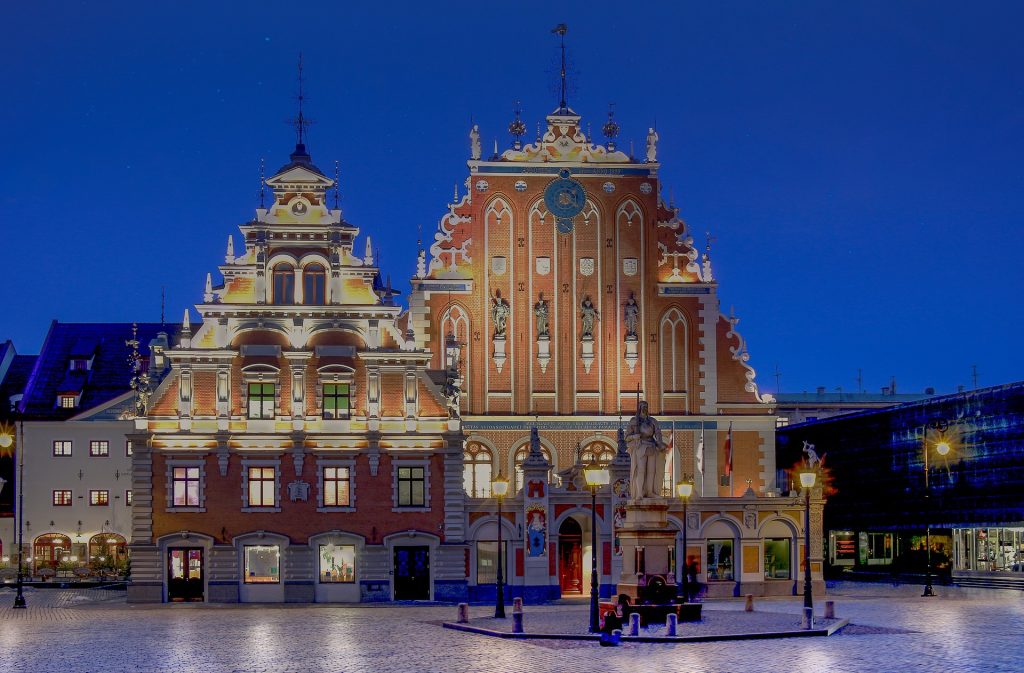
Well what is there to do in Riga? First stop would be the St Peter’s Church. The church dates back to 1209 and has undergone various transformations over the years. The most recent due to damage caused by artillery fire in 1941. Head up to the viewing platform to experience superb views across the rooftops.

Like many towns and cities across Eastern Europe, Riga has reminders of its time under the influence of the Soviet Union. A trip to the Latvia Academy of Sciences, a mini Empire State building, head up to the 17th floor of this 1950’s building for an alternative outlook on the city.

Maybe we have too much of an interest in the macabre. Head off to the “Corner House”, the former headquarters of the KGB which is very emotional. Not a fun way to spend a day, certainly sobering and puts into perspective Latvia’s recent history.

Baltic Sea Riga Latvia Edgars Koronevskis
Baltic Sea Riga Latvia

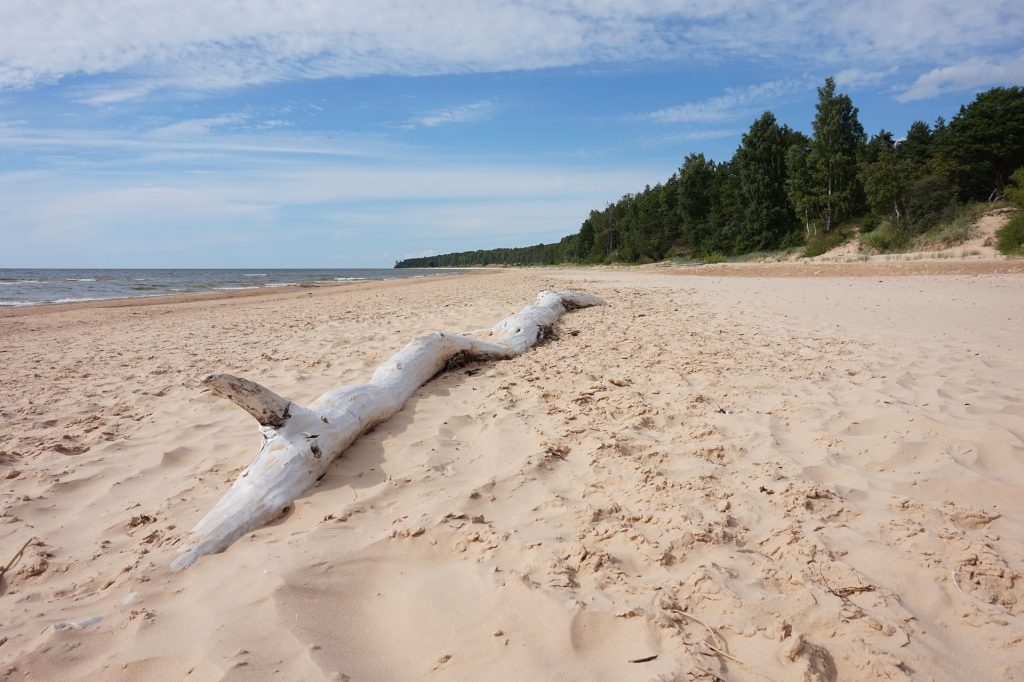
On a happier note, there are plenty of back streets, markets, restaurants etc to visit to keep you busy but if you want to get away from the hustle and bustle then visit Ķīpsala Beach right in the centre of Riga on the River Daugava. A little further afield there are several beaches within easy reach of Riga. With 500km of coastline there is bound to be a beach to suit you.

Nostalgia de Milan

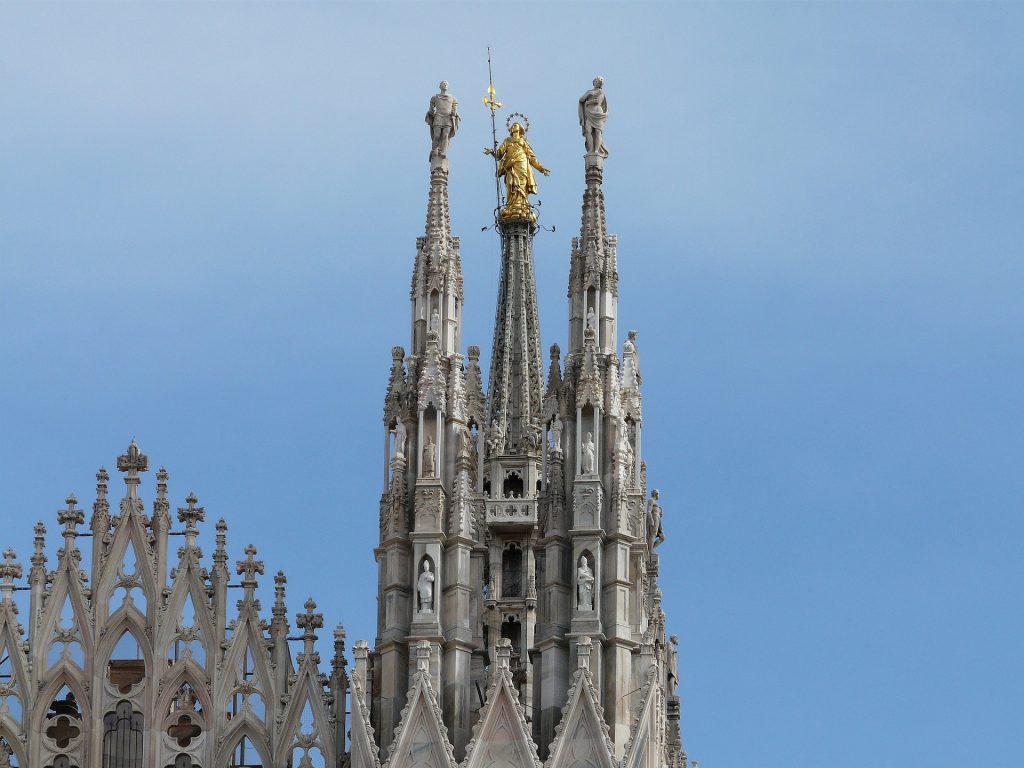
Giovanni D’Anzi is the writer of the song that bares the title “Nostalgia de Milan”. He was born in Milan in 1906 and wrote many songs relating to Milan. He is most famous for this song ” O mia bela Madonina“. Written in 1934 as a counter to the songs of the Napolean immigrants and their songs like ” O sole mio ” which told of the wonders of their home town. The Madonina is the golden statue on top of the spire of the Milan Cathedral which can be seen from all parts of the city.

Nostalgia de Milan – Giovanni D’Anzi

The Cathedral in Milan took nearly 600 hundred years to complete. Work started in 1386 and was deemed completed in 1965. The cathedral took nearly six centuries to complete: construction began in 1386, and the final details were completed in 1965. It is the largest church in Italy, the second largest in Europe, the largest being St Peter’s in the Vatican City.

Milan Cathredral - Madonnina Photo: Eric Delgrange
Milan Cathedral – Madonnina

Mark Twain wrote these words about the Cathedral when he visited in 1867: “What a wonder it is! So grand, so solemn, so vast! And yet so delicate, so airy, so graceful!” I wonder what you will think. In fact he dedicated chapter 18 of Innocents Abroad to the Cathedral, which includes descriptions and historical details. You can read it here.

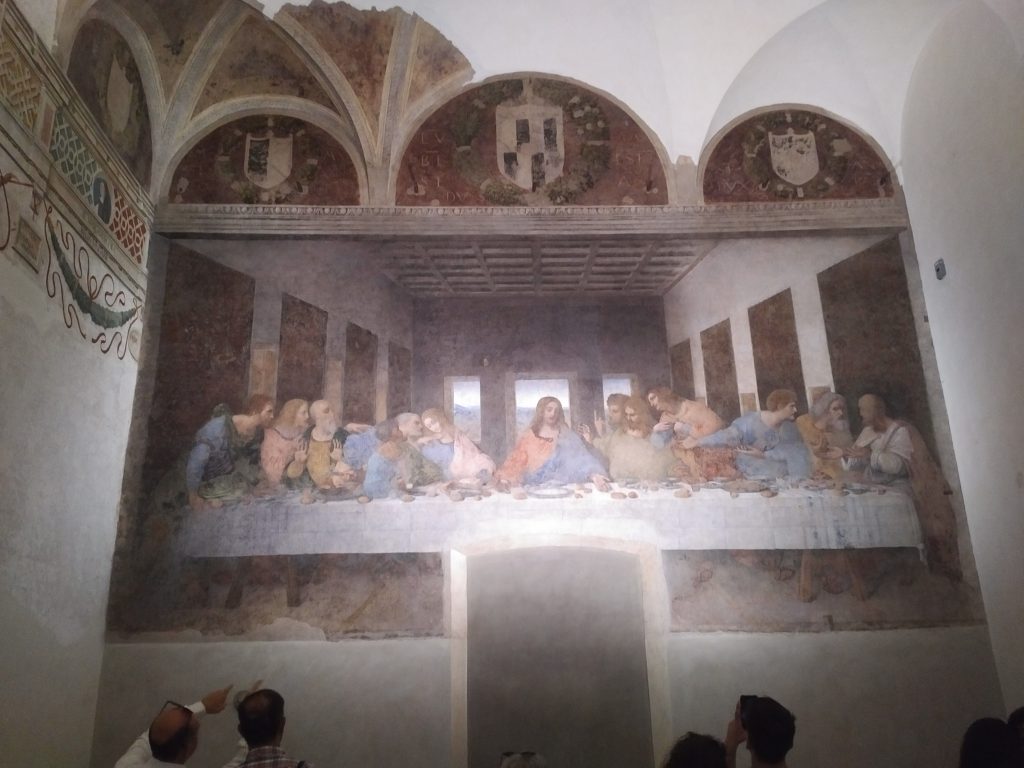
There is plenty else to see and do in Milan and a long weekend or mid-week break is not enough to do it justice. One trip that you are advised to book well in advance is that to see “The Last Supper” by Leonarno Di Vinci” which is one of the most recognisable painitngs in the world.

The Last Supper - Leonardo Di Vinci
The Last Supper – Leonardo Di Vinci

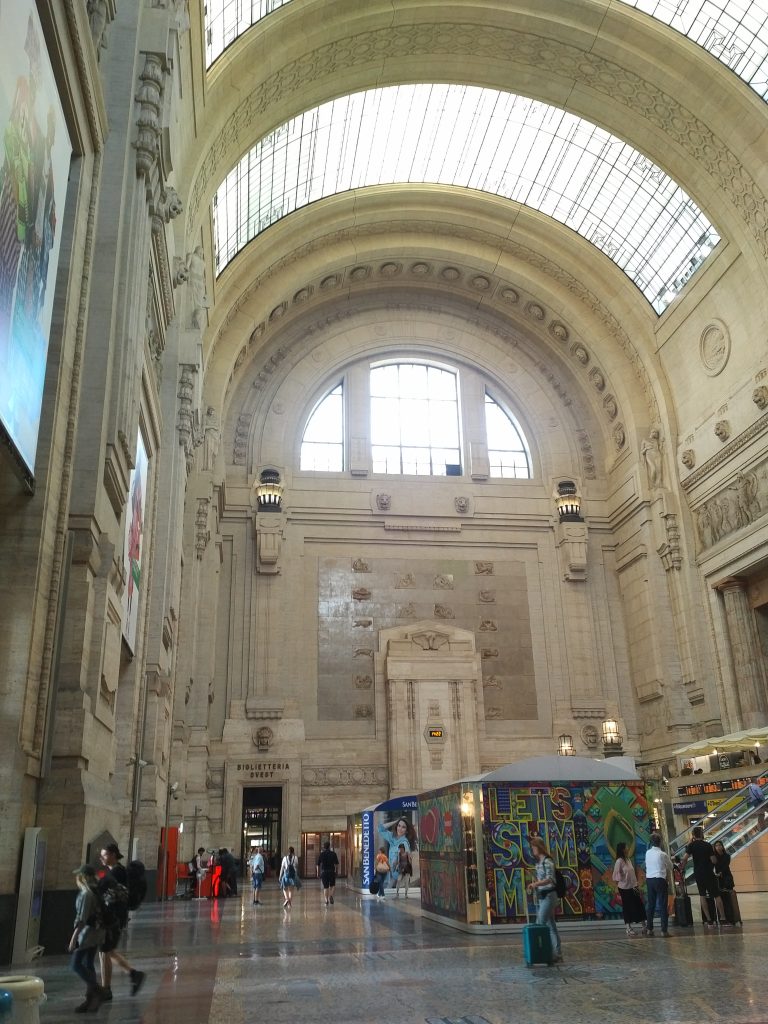
As a traveller you pass through a wide variety of transport hubs. However few are grander than the Central Station. It is the largest railway station by volume in Europe. From here there are high speed links to Turin, Venice and south to Rome and Naples which makes Milan a great travel base.

Concourse Milan Central Station

Finished in 1931, the building which has no definitive architectural style has been described as one of the most beautiful stations in the world. Again see for yourself. It certainly is impressive.

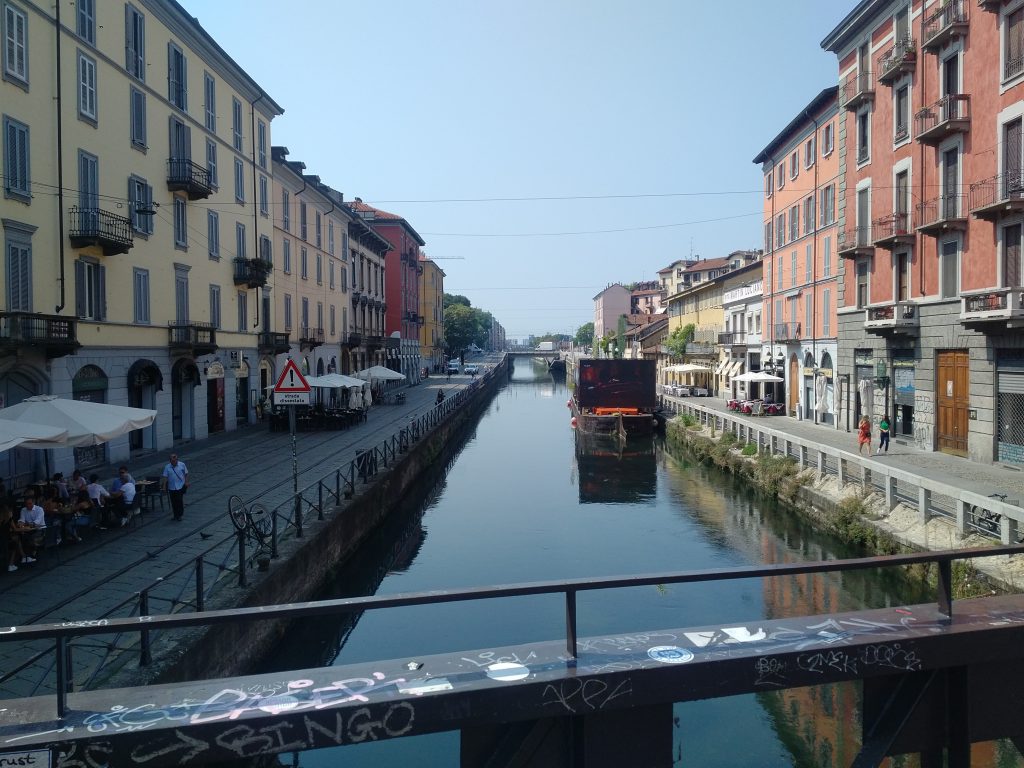
What a lot of visitors to Milan are not aware of is the canal network. Originally the canals were built to connect the city with the local area and the marble for the Cathedral was brought in via the canal network.

The Navigli - Milan
The Navigli – Milan

Although part of the canal system was covered in the city centre there is plenty of canal side activities to engage in. You can cycle or walk the tow paths during the day and by night you can enjoy the nightlife, with a wide variety of restaurants and bars to choose from.

There are plenty more highlights of your trip to Milan including the La Scala de Milan – one of the most famous opera houses in the world, La Galleria Vittorio Emanuele II shopping arcade next to the Cathedral and the Sforza Castle which houses the main museums.

I would walk 500 miles

There cannot be a more evocative song from the modern era that transports you to Scotland. As Craig and Charlie Reid sing “I would walk 500 miles” you are instantly taken to the land of castles, whisky, glen, bens and lochs.

Starting and ending at Inverness Castle the North 500, is a 516 mile route that takes in some of the more remote parts of Northern Scotland. The route works its way along the west coast to Applecross and then northwards towards the towns of Torridon and Ullapool. From there, you’ll embark on a drive to some of the most northerly coastal points of mainland Scotland, including Caithness. From John o’ Groats you head south through Dingwall back to Inverness.

The North 500

How could you not be tempted to drive the North 500 yourself? In fact you could even cycle or walk the route. If driving allow yourself the best part of a week and you are advised to book your accommodation in advance particularly during the summer season. This is where Maggie can help you out. She will help you find those less popular little gems along the route and suggest stopping off points to make the most of your journey.

Ackegill Tower

Not only will you find superb accommodation but fantastic scenery, exquisite beaches, fine food and the best distilleries in the world.

Extend your 500 mile drive with a visit inland or to the islands. After all if Craig and Charlie can “walk 500 more” then you can “drive 500 more.

Adieu les tours de La Rochelle

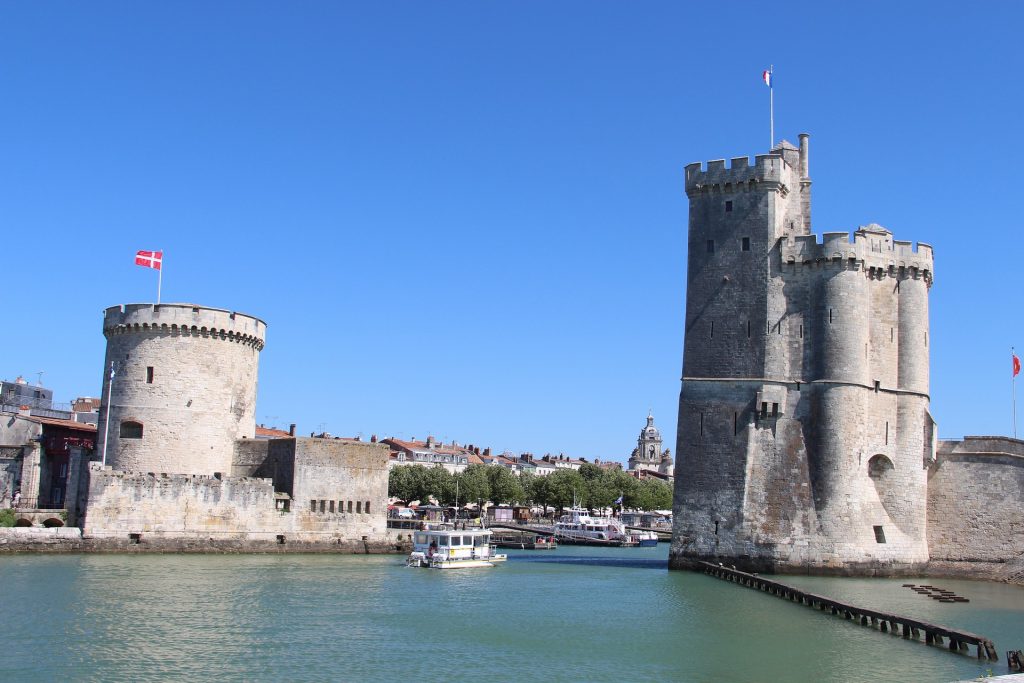
“Farewell to the towers of La Rochelle” sang “Les Binuchards” a French “rock festif” group based in Gémozac about an hours drive south of La Rochelle about a sailor setting out on a voyage. The towers of La Rochelle refer to the three towers that formed part of the towns historic fortifications. The Saint Nicolas and Chaîne towers were also used as prisons and the Lanterne tower was used to disarm boats before they came into port and served as a lighthouse.

Adieu les tours de La Rochelle – Les Binuchards

Of the 84 million people who visit France each year almost 1 in 7 of them are British, making France is the second most popular destination for British tourists. With more than twice the land area and approximately the same population it never seems as crowded.  The question is where to go, there is so much choice.

If you like to combine the sun and sand with a bit of history and military history in particular then La Rochelle on the French west coast could be just the destination for you. If you have been following the Sky TV series “Das Boot” based on the German novel and film about  U-boats during the Battle of the Atlantic you will know that many of them sailed from La Rochelle.

La Rochelle’s history is strongly linked to the sea.  Originally a small fishing village it grew and became so significant that the English fought and lost Battle of La Rochelle in 1372 which three months later led to the French conquering the town and saw the beginning of the end of English control of Aquitaine. 

 La Rochelle Towers - Chris Bromley
La Rochelle Towers – Chris Bromley

The pens for the U boats were constructed in secret at night and could hold 13 submarines.  Some of the most important missions set sail from here.  Unfortunately they are not open to the public as they are used by the French navy. The U-boat complexes in St. Nazaire, Lorient and Bordeaux are open to the public. 

Despite being heavily used by the Germans during the Second World War, the city itself suffered very little damage and was the last city in France to be liberated from the Germans.

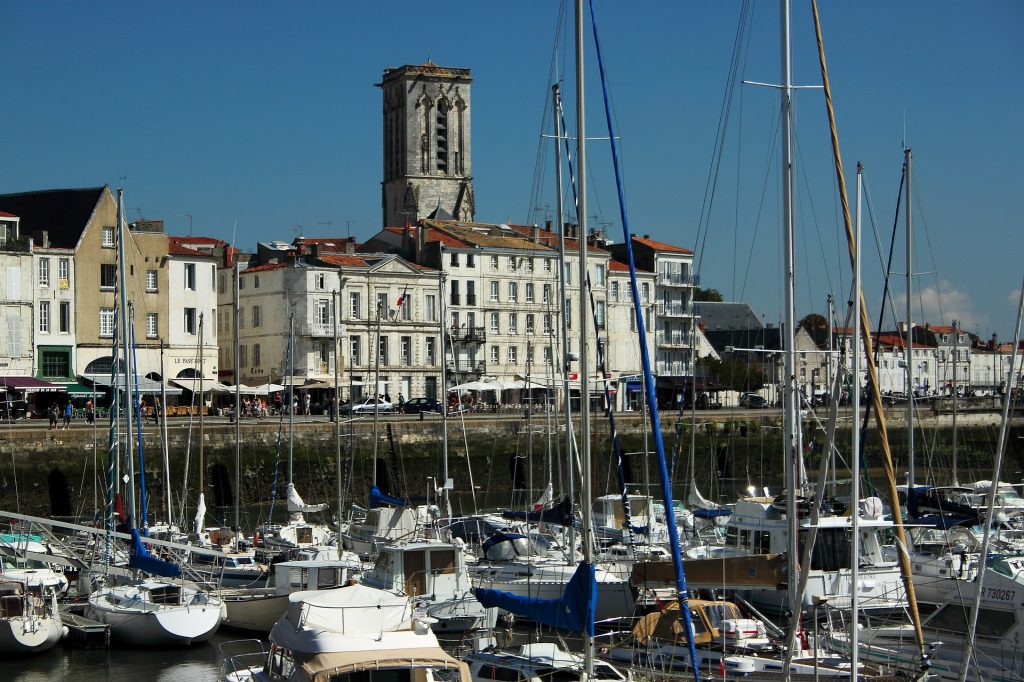
La Rochelle - Karlo Kolumno
La Rochelle – Karlo Kolumno

For us it means that the “Vieux Port” (“Old Harbour”), and the old town are well preserved, with it’s churches, market square and passageways.

In town you can also visit the Bunker of La Rochelle built to protect the submarine commanders from bombs and learn about what life was like for the citizens of La Rochelle from 1939 to 1945.

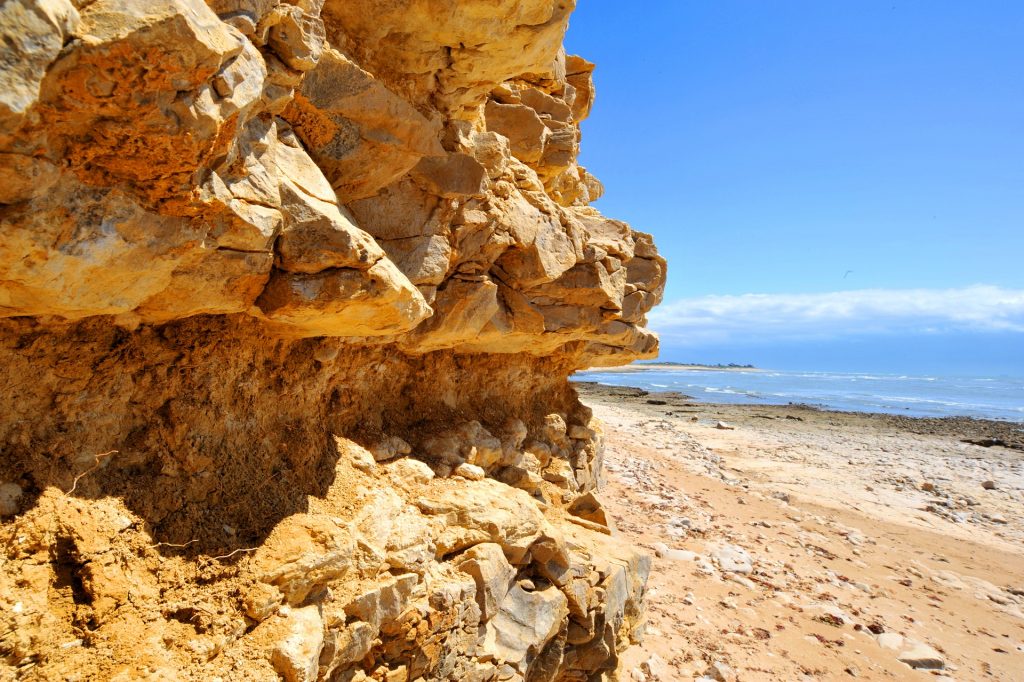
 Île de Ré  - Christoph Maurer
Île de Ré – Christoph Maurer

For the beach you can have a choice of the beautiful Ile de Ré or the small resort at Chatetlaillon Plage, a short distance south of La Rochelle.

Getting to La Rochelle couldn’t be easier from London, 7 hours by high speed trains or 5 flights a week are just a couple of your options.

Granada

“Granada, tierra soñada por mí” or in English “Granada, land of dreams for me” wrote the Mexican composer Agustín Lara in 1932. From the 1940s onwards he became well known in Spain and in 1965, the Franco gave him a house in Granada in appreciation of his songs with Spanish themes. Granada, Seville and Madrid amongst them.

Granada Luciano Pavarotti

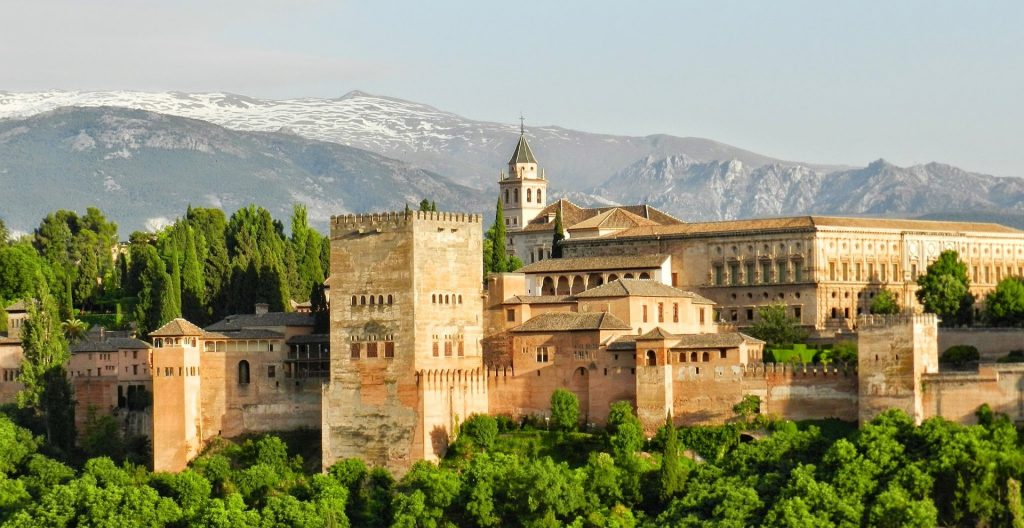
The number one destination in Granada has the be the magnificent Alhambra which was declared a World Hertiage site by UNESCO in 1984. The Alhambra stands on a small plateau and is visible for miles around. It’s orgins date back to the 11th century and the time of the Moorish dominance in the region. In the 13th century it became a royal palace. It wasn’t until 1492 that the Moors were expelled from the region and it became home to Queen Isabela I and King Ferdinand II.

Alhambra, Granada -  Copyright Pablo Valerio
Alhambra, Granada

There are essentially 10 main structures within the Alhambra. The Royal sector, the Court of Myrtles, the Hall of Ambassadors, Court and Fountain of the Lions, the Hall of the Abencerrajes and Generalife are the most famous and the average visitor will spend at least 4 hours there, many spend the whole day. Normally you would have to book days in advance but due to the current situation it is possible to book a visit for 48 hours in advance. At the time of writing there are tickets available on everyday through the summer.

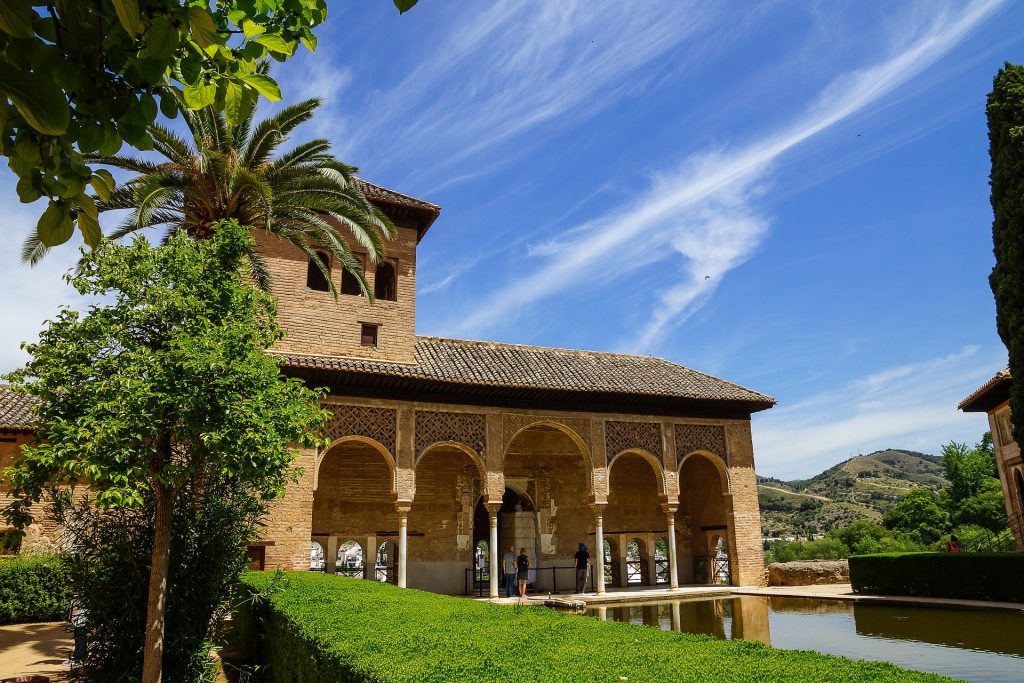
The Partal, Alhambra - Copyright Frank Nürnberger
The Partal, Alhambra

There is plenty more to see and do in Granada. Notable stops on your itinerary should include: Alcaiceria – the last remaining section of the Moorish, Grand Bazaar, Sacromonte – view houses built into the rock face and in the evening visit a traditional flaminco show, Carrera del Darro – this street follows the course of the Darro river and was the line of the old city walls. Granada is also an important university city and it offers plenty of entertainment in the evenings and for the young at heart.

Today we would just like to finish off with this version of Granada by Bruce Welch’s Shadows. Originally from an EP entitled “Los Shadows” recorded in Barcelona in 1963 the track was never played live until the version below.

Granada – Bruce Welch’s Shadows

Perth is a culture shock

Maybe not so much today, but back in the 1970s it might have felt that way. Along with Honolulu, Perth is one of the remotest cities in the world. “Perth is a culture shock” by the Perth based “The Victims” who were a punk band active from 1977 to 1979. The actual track was not actually released until 2005.

Australia is one of the top long haul destinations that travellers want to visit once travel restrictions are lifted. Qantas fly direct and then on to 10 other destinations or you can add on a leg from other popular destinations such as Doha, Dubai, Hong Kong, Kuala Lumpur and Singapore.

Qantas non-stop to Perth

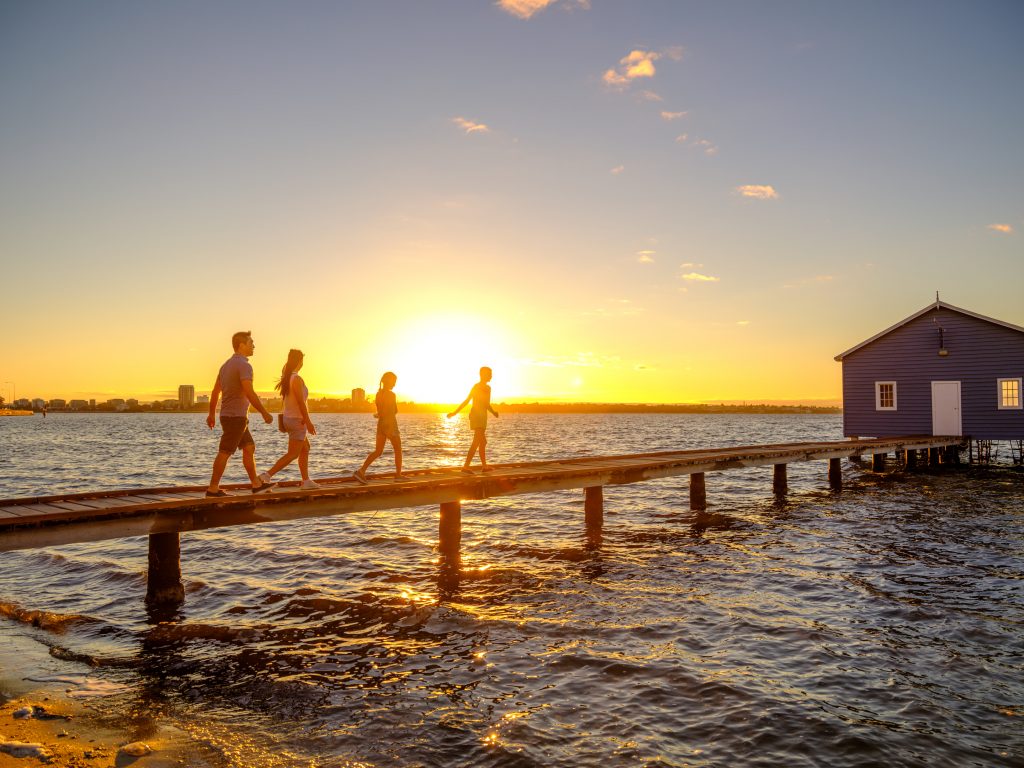
Perth is Australia’s sunniest city and temperatures even average above 18°C even in winter. In summer, average temperatures are over 30°C with 11 hours of sunshine. In the Perth metropolitan area there are 19 unique beaches to choose from including the world famous Cottesloe (Cott) Beach with its picturesque pavilion, and experience a wonderful Indian Ocean sunset.

The Crawley Edge Boatshed
Copyright tourism.wa.gov.au
The Crawley Edge Boatshed

Perth’s city sights are easily accessible with one of the free Central Area Transit (CAT) bus that connect all the cities main tourist attractions. Just because it’s remote does not mean that Perth lacks high culture, you can visit the ballet, opera or art gallery. Choose between the Art Gallery of Western Australia, the Perth Institute of Contemporary Arts or the Aboriginal Art and Craft Gallery or take in all three. Established in 1899, visit the Perth Mint and watch a live gold pour and see the world’s largest collection of gold bars.

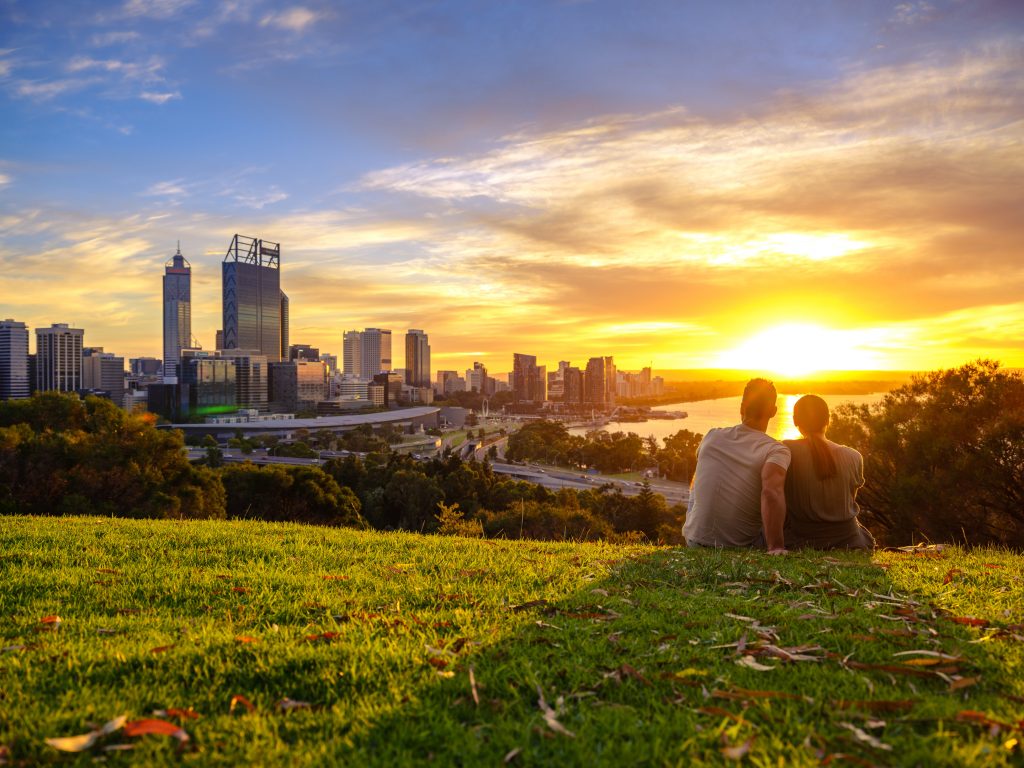
Watching the sunrise at Kings Park and Botanic Garden with the Perth Skyline in the background.  Copyright tourism.wa.gov.au
Watching the sunrise at Kings Park and Botanic Garden
with the Perth Skyline in the background.

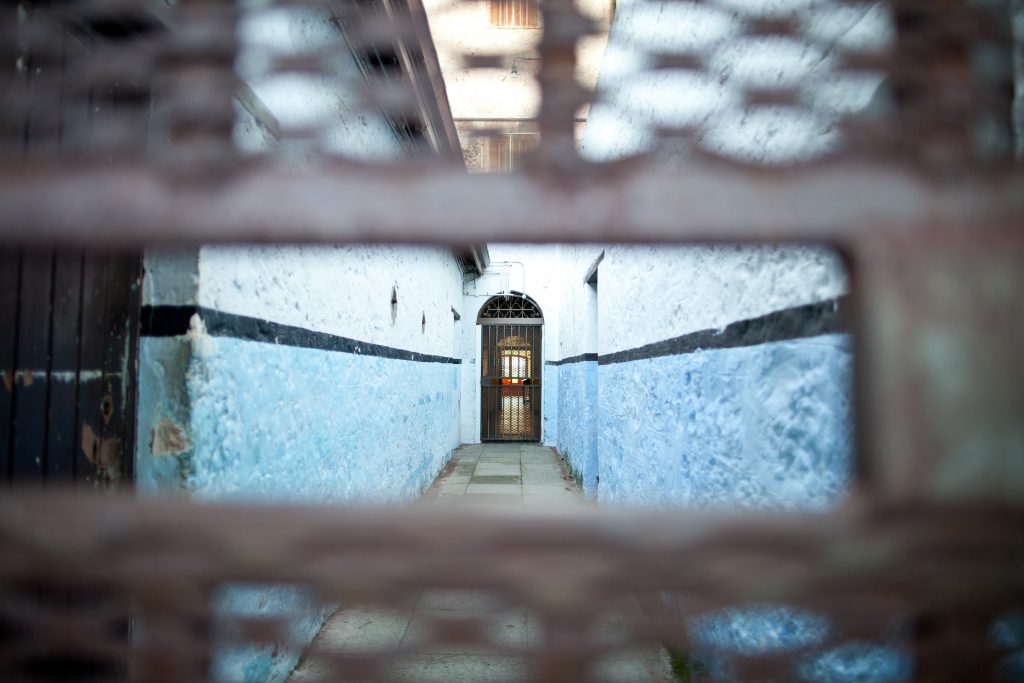
If you get as far down the coast as Freemantle then make a visit to the historic prison where convicts from the UK were incarcerated .

Corridor in Fremantle Prison, Fremantle Copyright tourism.wa.gov.au/
Corridor in Fremantle Prison, Fremantle

Other highlights would be to take a cruise up the the Swan River or make a tour of the wineries along the Swan Valley. Many people head off to the Caversham Wildlife Park, east of Perth where you can meet koalas, wombats, kangaroos and many other native wildlife. The absolute must see if you travel all that way is a trip out to Rottnest Island, a protected nature reserve, home to the Quokka, a small wallaby-like marsupial.

Taking selfie with Quokka (Setonix brachyurus) on Rottnest Island.  Copyright tourism.wa.gov.au
Taking a selfie with Quokka (Setonix brachyurus) on Rottnest Island.

Where are we now?

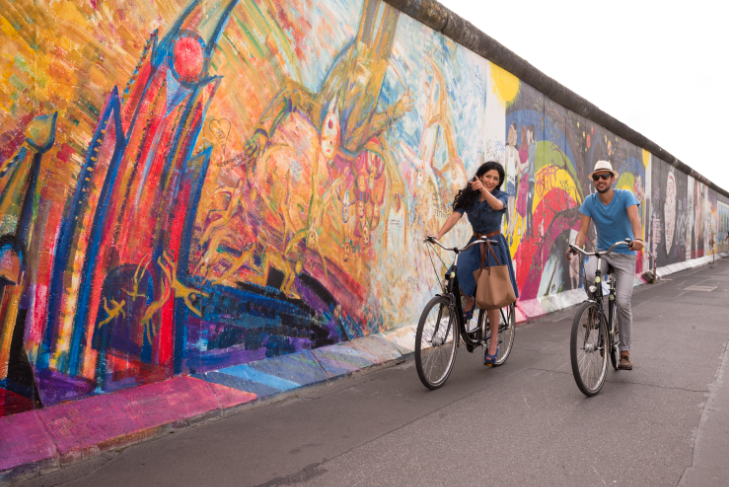
East Side Gallery Copyright: visitberlin, Foto: Philip Koschel
Art on the Berlin Wall

This week we are in Berlin. In 2013 having not released any new material for 10 years David Bowie released his 24th album “The Next Day” on his 66th birthday. The first single to be released from that album was “Where are we now?” and reached no 6 in the UK charts and no 2 in the German charts. The song and the video below make references to places in Berlin that have a connection with Bowie.

Where are we now? Berlin!

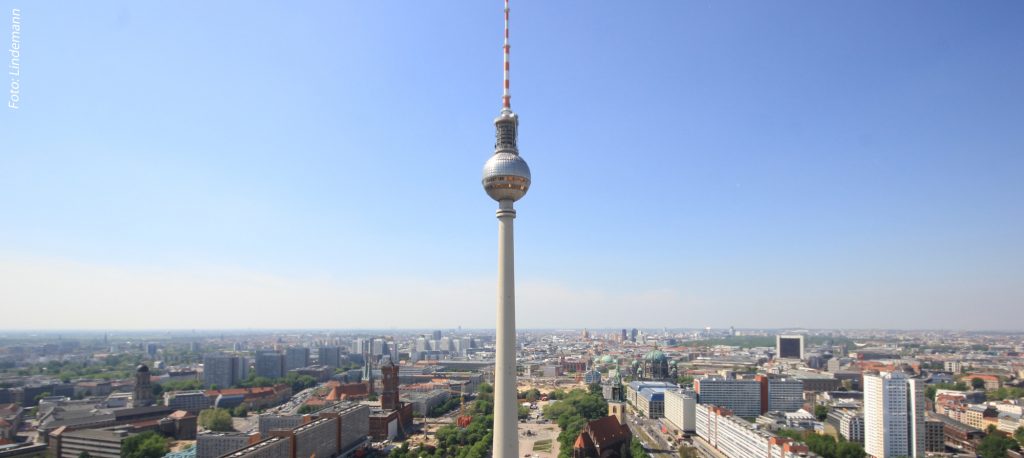
After 19 secs we see some of the graffiti art on the few remaining sections of the Berlin Wall. These are worth the time and effort to see on your trip to Berlin. Potsdamer Platz (0.28) was the place to be in the 1920s. Today you’ll find the Lego Discovery Centre nearby. A great option if its raining and you have children. The Fernsehturm (TV Tower) is Berlin’s tallest landmark and the view on a clear day is superb.

Copyright: visitBerlin, Foto: Sarah Lindemann
Fersehturm – Berlin

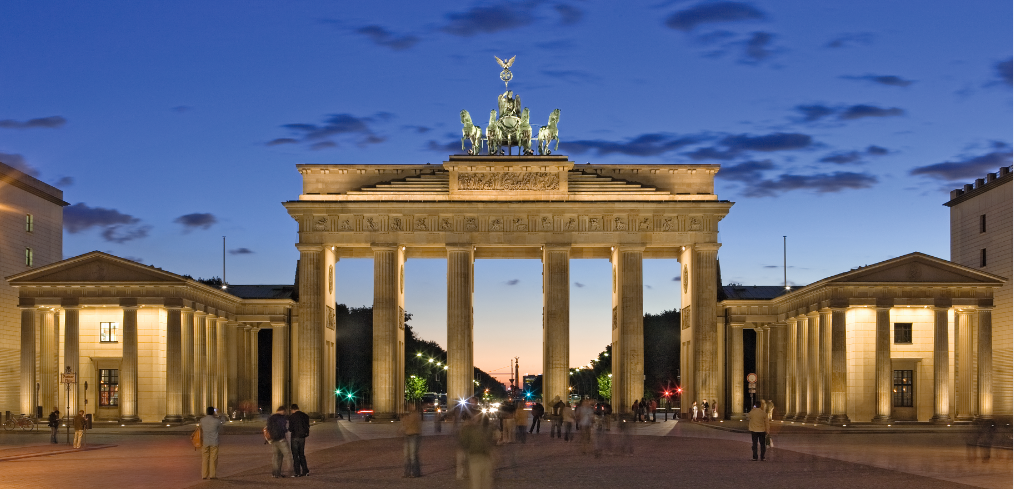
The back entrance to the German Parliament (Bundestag) is next on the route, followed by Nürnberger Strasse where Bowie played several times in The Dschungel nightclub. Although reference is made to the KaDeWe department store (1:10) is made we actually get to see the magnificent Cathredral (Dom). Berlin’s answer to Marble Arch is up next. The Brandenburg Gate (1:49) is one of the most recognised sites in the city.

Brandenburger Tor Copyright: visitberlin, Foto: Wolfgang Scholvien
Brandenburger Tor / Brandenburg Gate

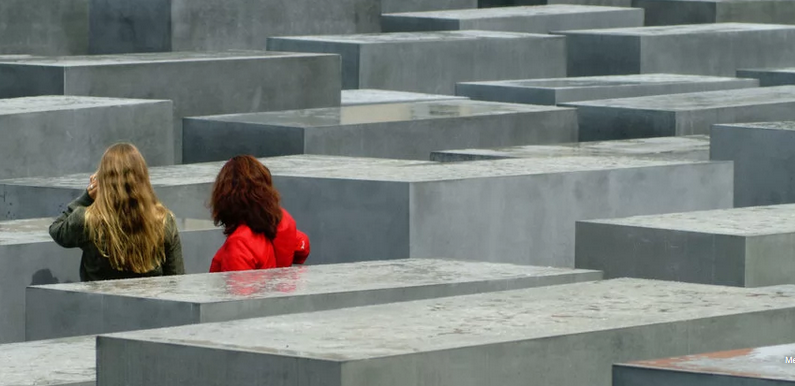
Berlin makes a great destination for a short break. There is so much to see that you will want to go back again. Not be missed are the Wall Museum and Check Point Charlie, the Jewish museum, the largest in Europe, the very moving Holocaust Memorial and not too far from the city centre is the former concentration camp at Sachsenhausen.

Holocaust Memorial Memorial to the Murdered Jews of Europe Copyright visitBerlin, Foto: Pierre Adenis
Holocaust Memorial

What’s new, Buenos Aires?!

So goes the first line of the “Buenos Aires” from the musical “Evita” by Andrew Lloyd-Webber and and Tim Rice. Buenos Aires can be literally translated as “fair winds” or “good airs”, but it is the former that gave this alternative long haul winter destination it’s name. Being in the southern hemisphere their summer is our winter and temperatures on average are above 20°C from October through to April.

Buenos Aires – Evita – Madonna

Buenos Aires has a curious blend of the European and the Latin. It is well known for its preserved colonial and neo-classical architecture as well as its rich cultural life including a tango show or a visit to a ranch. In more recent years ” meat loving” visitors will seek out traditional “asado” or a themed tour devoted to famous Argentines such as “Evita” (Eva Peron).

Buenos Aires is the most visited city in South America and the second most visited city in Latin America after Mexico City. Known as the “Paris of South America”. In a survey for Travel and Leisure Magazine, visitors voted it the second most desirable city to visit after Florence. According to the Tourism Board of Argentina nearly 6m tourists visited the country in 2018 a figure that more than doubled over a ten year period.

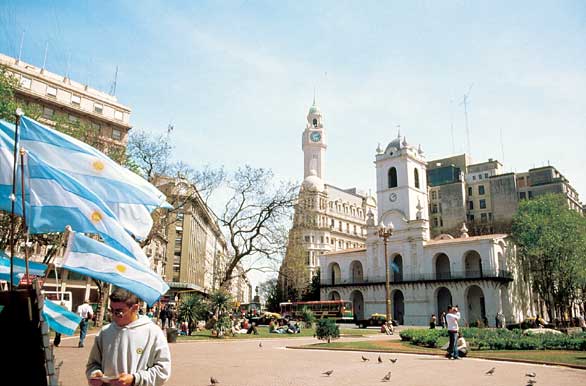
Cabildo of Buenos Aires - Copyright Welcome Argentina
Cabildo of Buenos Aires

The most popular tourist sites are found in the historic core of the city. Buenos Aires was conceived around the Plaza de Mayo. To the north of here is the Caefral Metroplitana and the Banco de Nacion Argentina. To the west is the Cabildo that was the seat of the town council in colonial times.

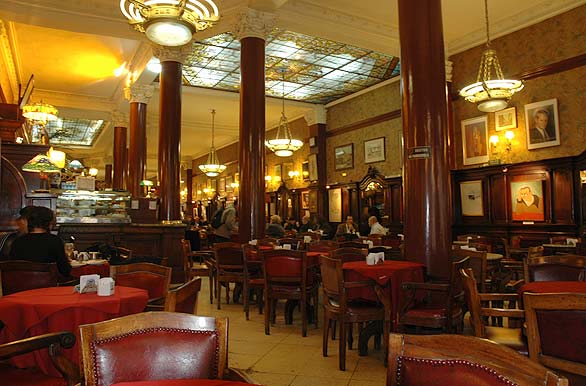
If you have the time then seek out the Café Tortoni. The café was opened in 1858 by a French immigrant who named it after a Parisian café bearing the same name. Café Tortoni was selected by UCityGuides as one of the ten most beautiful cafes in the world.

Café Tortoni - Copyright WelcomeArgentina.com
Café Tortoni

Oh Vienna

Voted the most popular song to peak at Number 2 in the charts. Vienna by Ultravox takes us of to the historic city of the same name. Written by Midge Ure about a brief love affair in this is often forgotten romantic city.

Initially drawn to Vienna by the “Best Ever British Film” The Third Man and its memorising soundtrack by Anton Karas. Vienna is sometimes lost between the classic weekend break destinations of Paris, Rome and Barcelona and the newer ones of Prague, Budapest and Dubrovnik.

However it has so much to offer whether you are on a short weekend break or longer. Vienna was the capital of the Habsburgs for over 600 years from here the vast Austro-Hungarian Empire was ruled. The grand architecture from the 19th century in particular reflects the power and wealth of the country at that time.

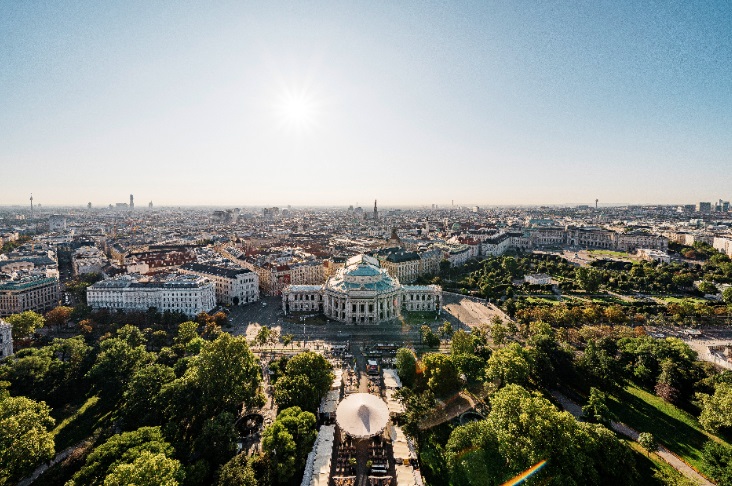
View from City Hall.  Copyright: © WienTourismus/Gregor Hofbauer
View from City Hall. Copyright: © WienTourismus/Gregor Hofbauer

Encircling the historic city centre is the Ringstrasse and a trip on the special Ring Tram is the perfect way to become aquainted with all the main glorious buildings and the features of Viennese life from your onboard guide. The Opera House, Parliament, the Art History Museum, the Natural History Museum and the Imperial Palace are just some of the sites you will see along the route.

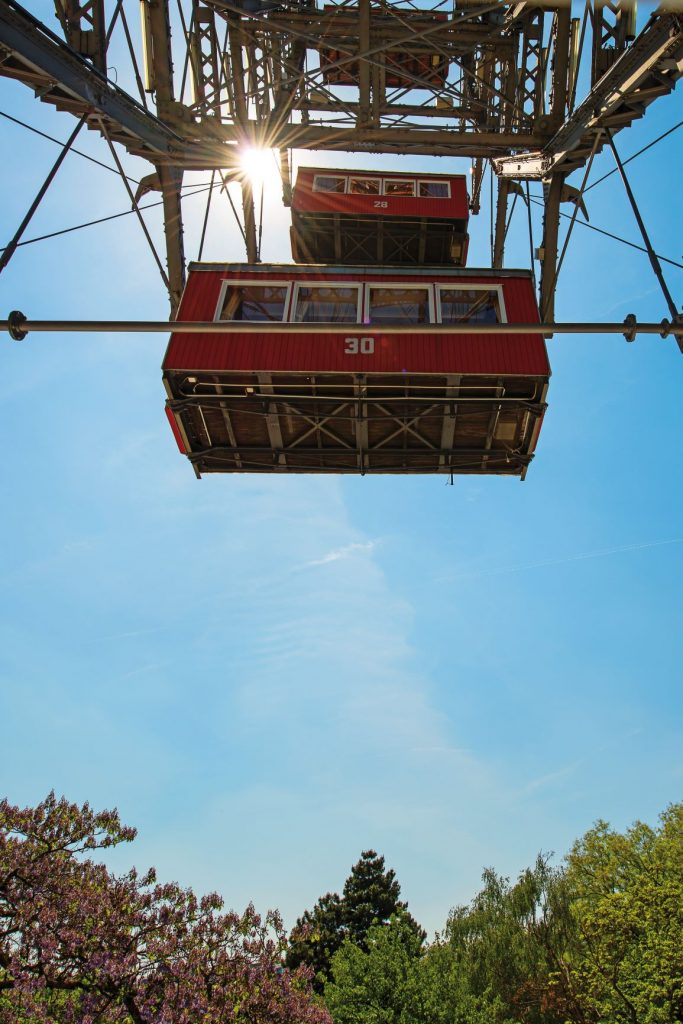
Giant Ferris Wheel, Prater, Vienna. Copyright: © WienTourismus/Christian Stemper

Not to be missed in Vienna is the Giant Ferris Wheel (Riesenrad) at the entrance to the Prater Amusement Park. Not only will you experience great views on your ride but when you watch “The Third Man” or the James Bond film “The Living Daylights” you’ll be able to say I was there.

Before you go, enjoy this clip of Anton Karas playing the theme tune from “The Third Man”. Look out for the Giant Ferris Wheel.

The original verson in the movie was Anton Karas playing solo but this version with additional instruments was released as a single and was the biggest hit on the 1950 Cash Box 100 staying number 1 for 11 weeks.